

Travel Journal
Notes from the restaurants, cities, and moments that make the research worth it.

Travel Insurance, Without the Fine Print
Many travelers assume their insurance covers them abroad, or that their destination's healthcare will. Both are mostly untrue for Americans. Here are the facts on a subject nobody enjoys: what basic coverage actually protects, why evacuation is the real financial risk, and the two-week deadline that decides whether you get the coverage you want — or lose the option entirely..

Celia-Safe Hotels. The Difference Isn't Policy. It's a Person.
Not hotels that accommodate celiac travelers — hotels built around them. From a 100% gluten-free agriturismo in southern Tuscany to the first fully certified GF hotel in the United States, these properties share the same origin: an owner, a child, a family member with a diagnosis who built the place they wished had existed.
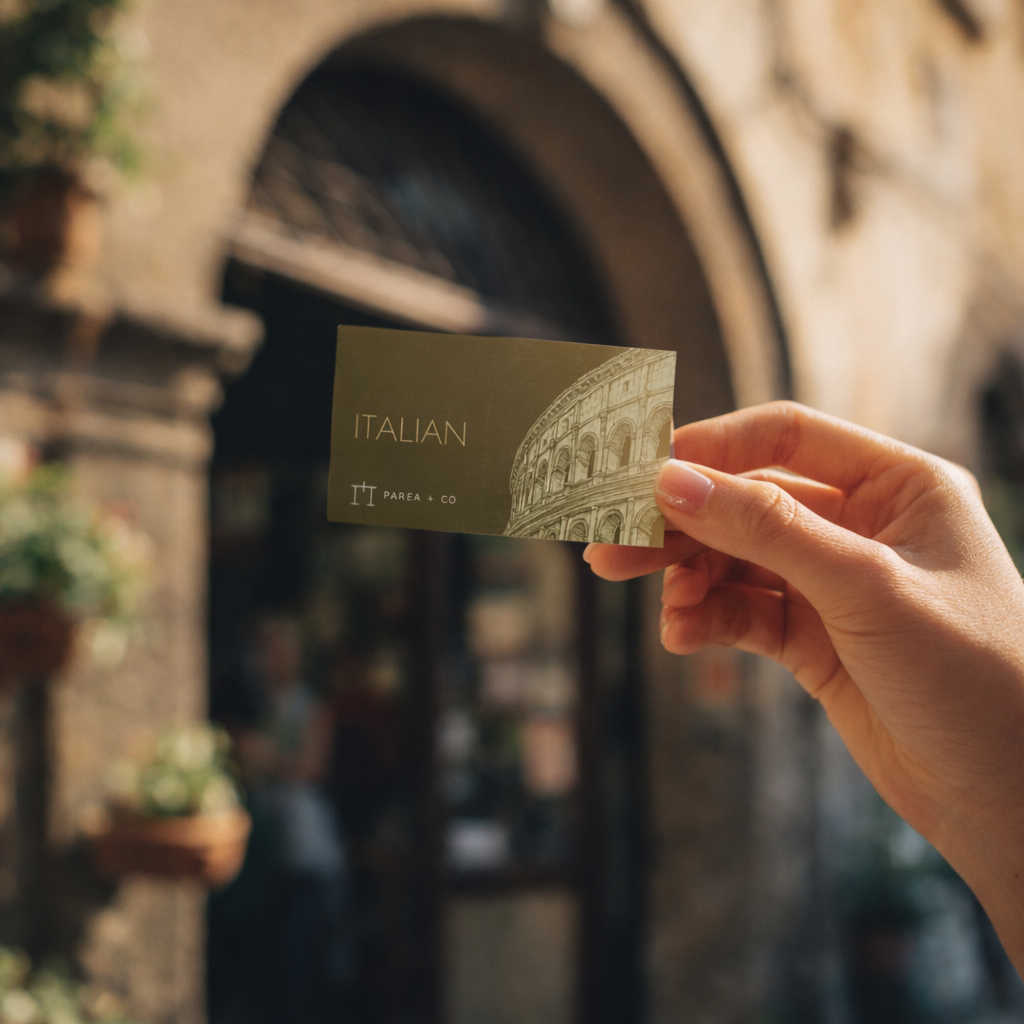
Why Translation Cards Beat Apps
The moment you hand a server a printed card, the conversation changes. Not because of the paper — because of what it communicates before a single word is spoken. Why translation apps fall short for celiac travelers abroad, and what your card actually needs to say.

What to Say at the Table
The reservation is made, the restaurant is vetted, the server arrives. What you say in the next sixty seconds determines whether the preparation you did before the trip actually reaches the kitchen. Here’s what to say.
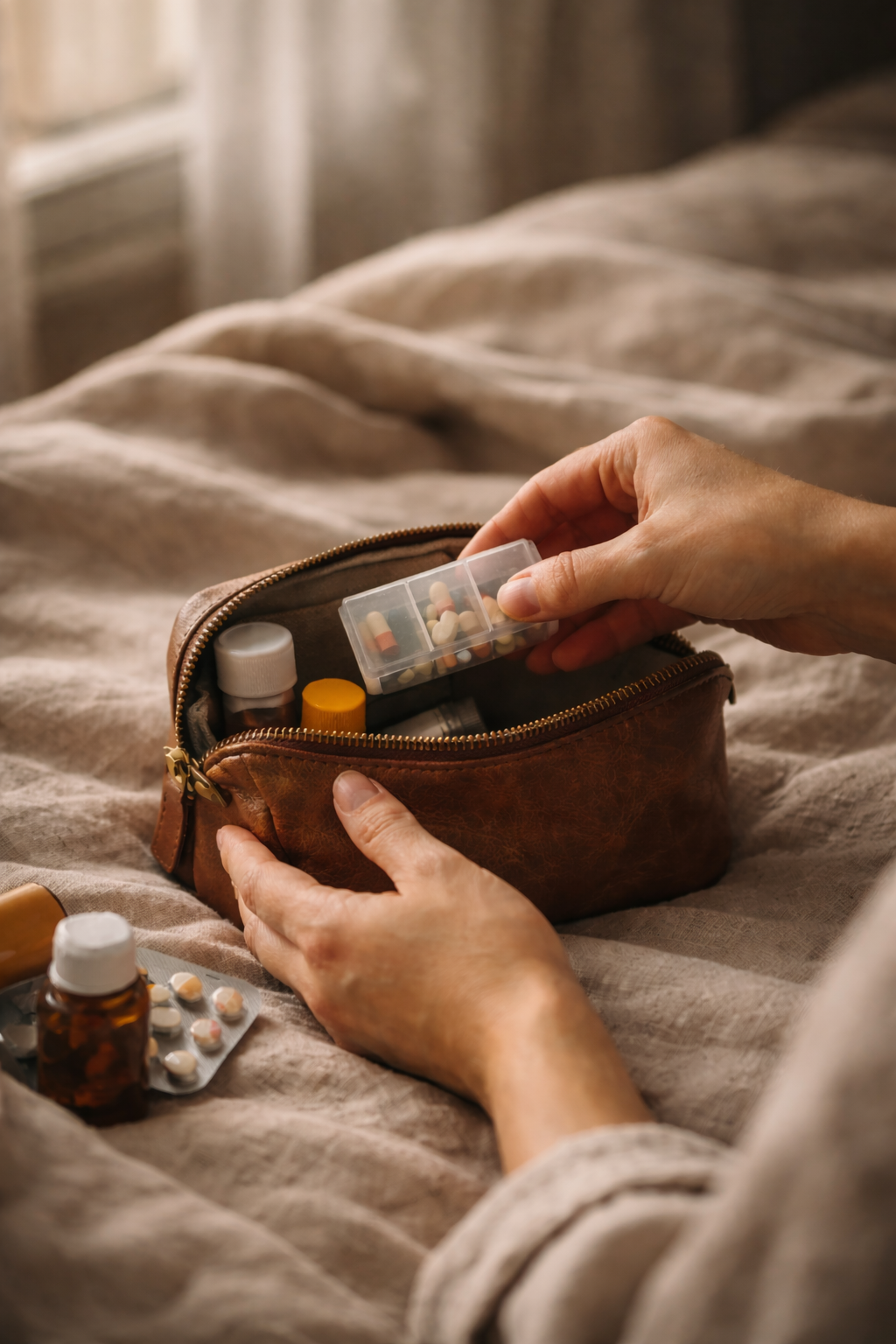
How to Travel with Celiac Disease Without Burnout
There's a particular kind of exhaustion in celiac travel that has nothing to do with jet lag. It comes from sustained uncertainty — the calculation that never fully switches off. Here's what actually prevents it.

Dedicated Fryer vs Shared Fryer
The fries contain no gluten. The menu says so, the server confirmed it. But if the kitchen is running a shared fryer, they're still not safe — and understanding why is one of the most practical things a celiac traveler can know.
What Cross-Contact Really Means
For people with celiac disease, cross-contact — not ingredients — is often the real risk. This guide explains what cross-contact actually means, why restaurants misunderstand it, and how to listen for answers that signal true safety.