
The Netherlands
The Netherlands is one of those rare places that feels immediately manageable — flat, walkable, English spoken everywhere, a city you'll have the measure of by your second morning. The distances are short, the language is easy, the pace is kind. And with a little planning, so is eating gluten-free.
Part of what makes it work is Dutch directness. This is a country where allergen labeling is taken seriously and staff will tell you plainly what they can and can't promise — no confident nod that ends in a plate you can't trust. Amsterdam has quietly built one of Europe's better collections of dedicated gluten-free bakeries and cafés, and the rest of the country is catching up. The one thing to prepare for is how much of the traditional day runs on bread — but that's a known quantity, and a known quantity is easy to plan around.
Canals, bikes, and brown cafés
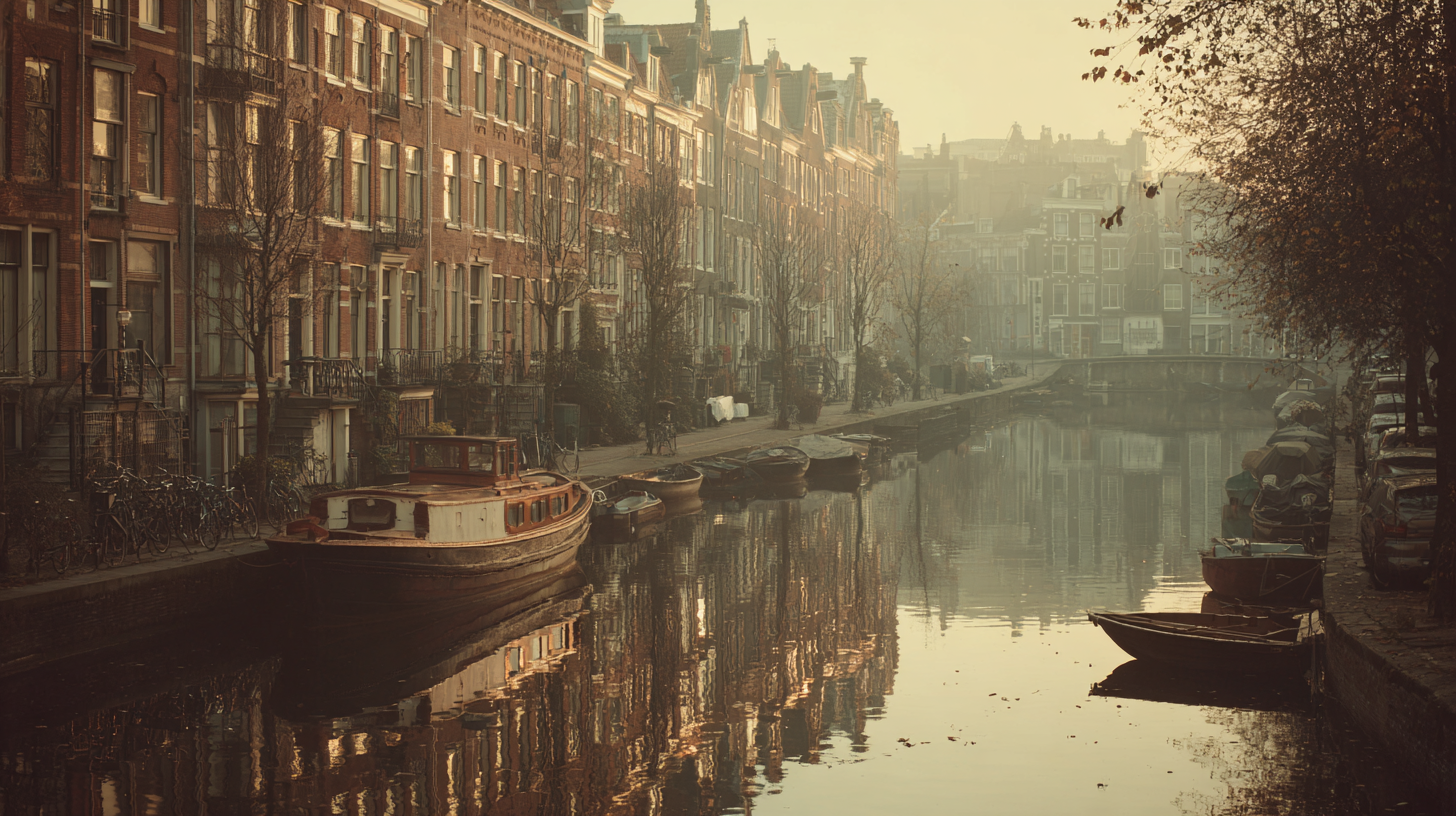
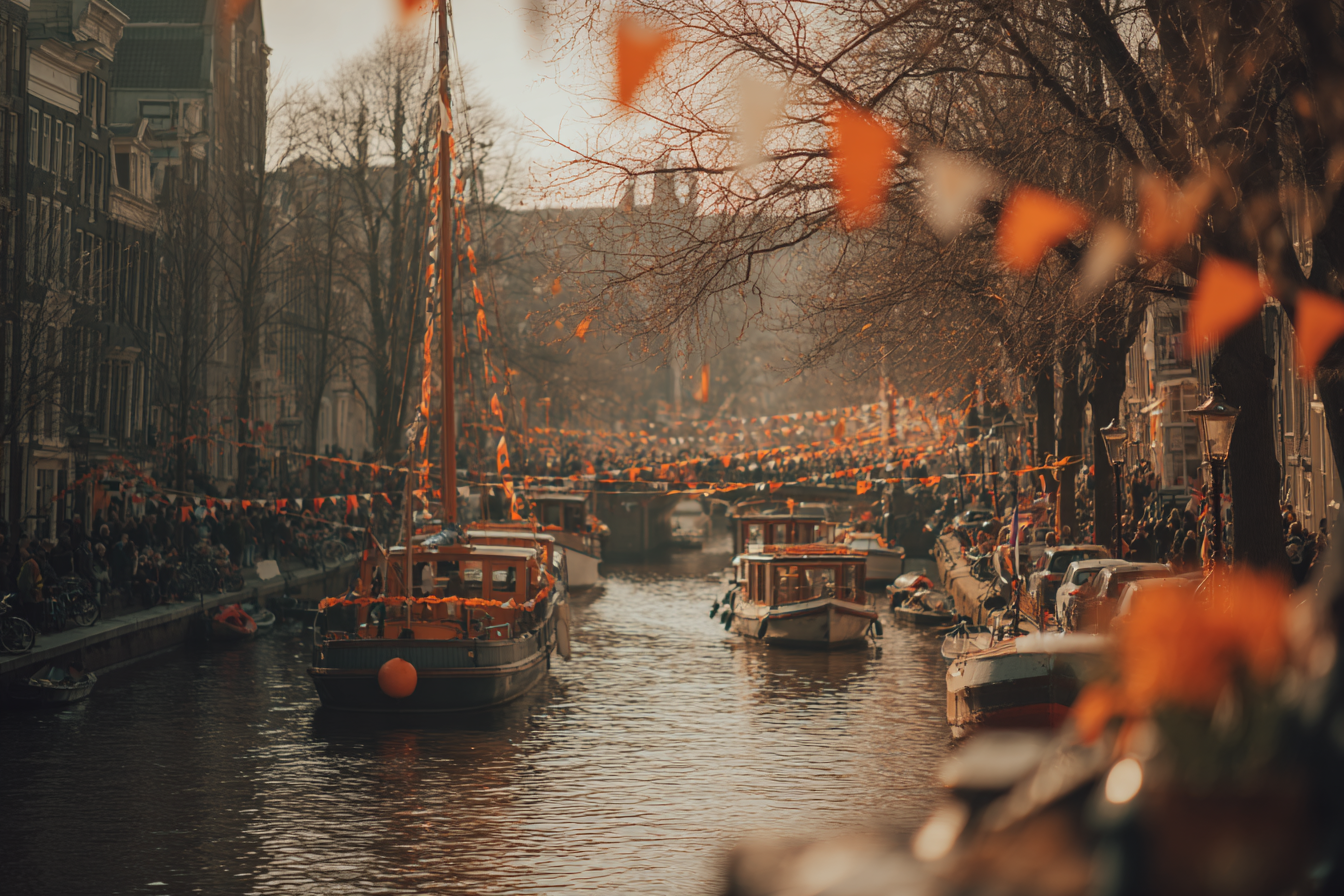
Amsterdam is a small city that's easy to like. Canals, old leaning houses, everyone on a bike, everything within a twenty-minute ride. You can see the big things — the Rijksmuseum, the Van Gogh, the tulips if you time it right — without ever feeling rushed, because the city isn't big enough to rush you.
What people actually remember, though, is the pace. The Dutch are good at sitting still. A coffee turns into an afternoon. A brown café at 4pm fills up with people in no hurry to leave. That's the thing worth coming for — not a checklist, just permission to slow down.
What the Dutch eat, and why
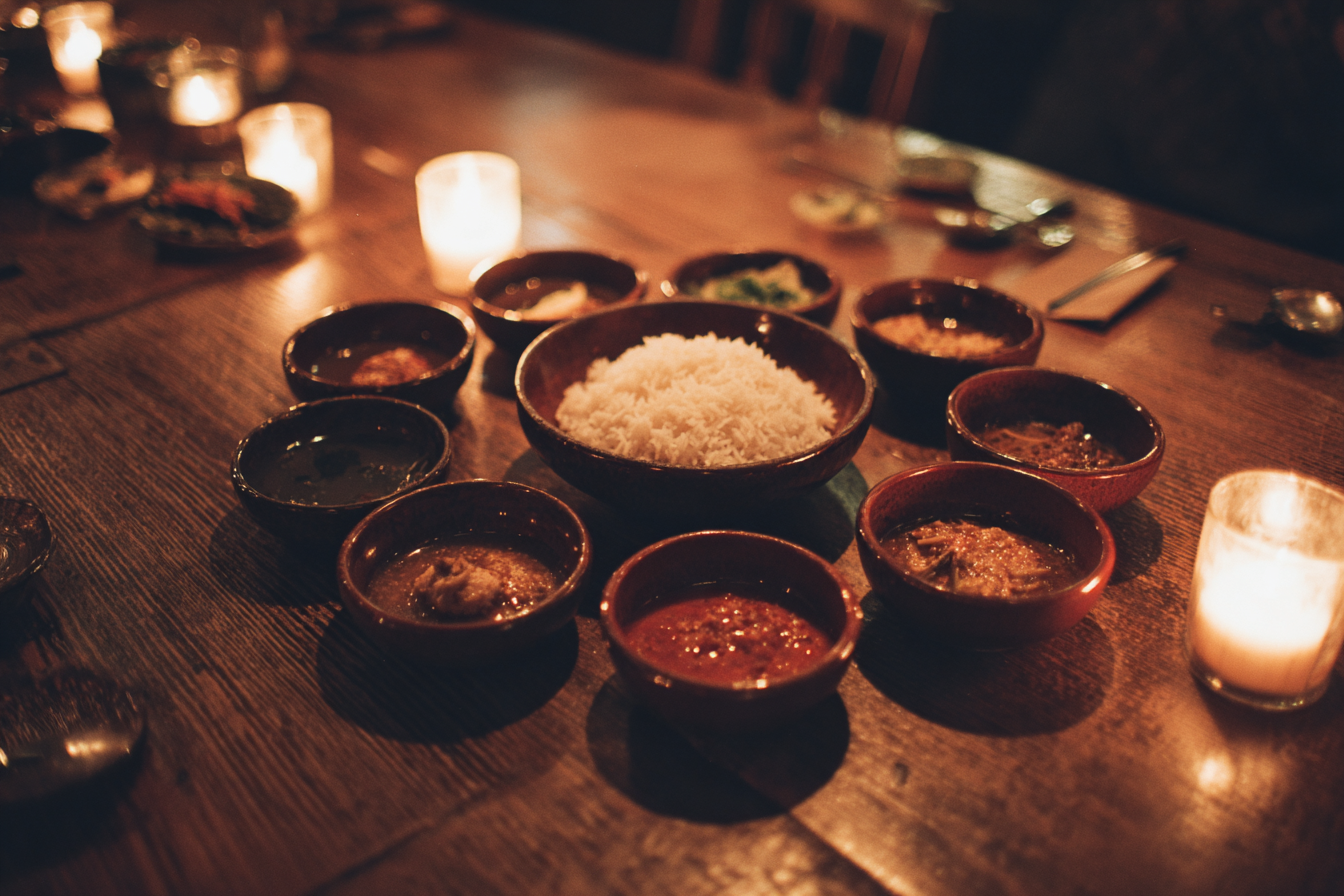
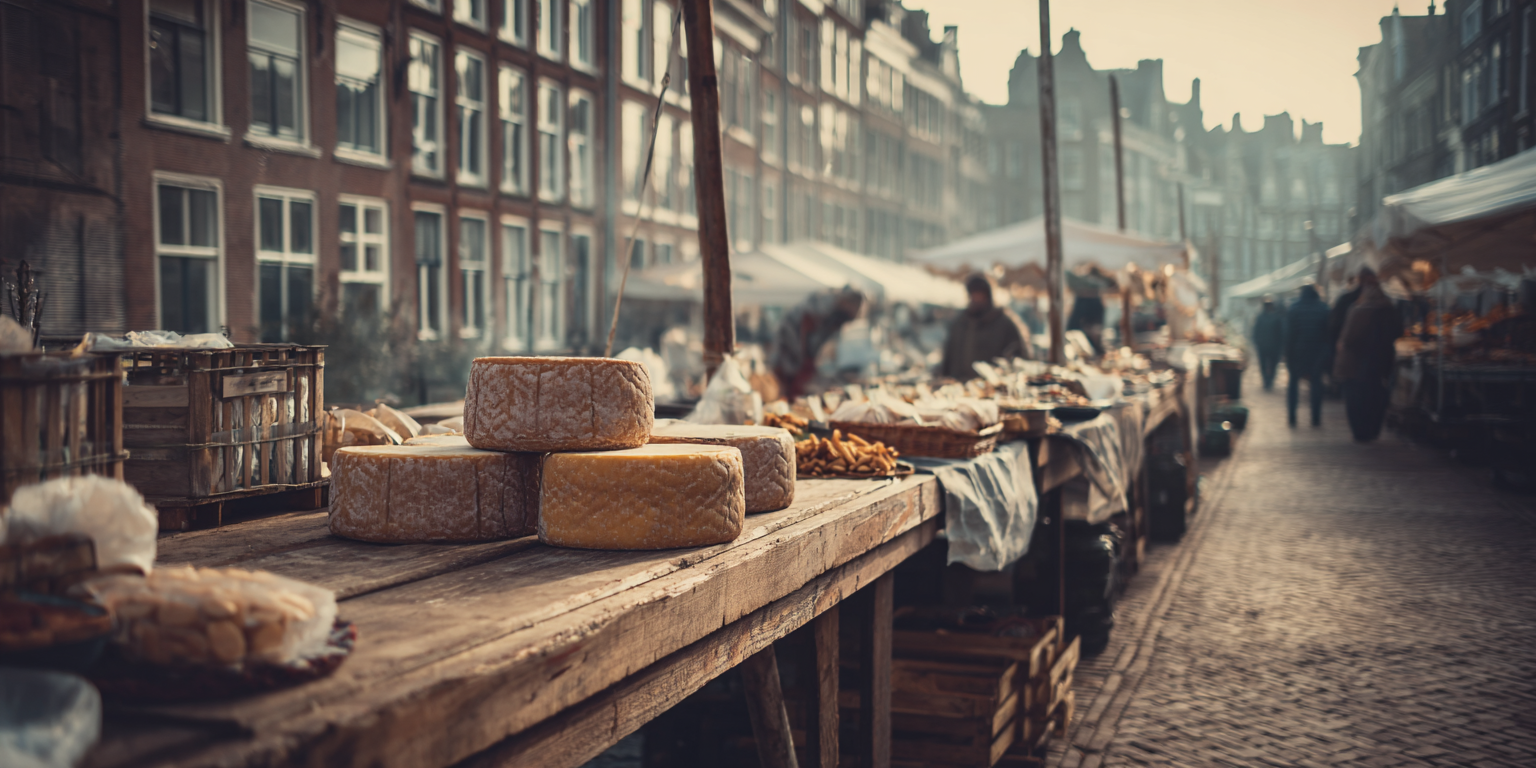
Dutch food is plain and honest, and it makes sense once you know the country was built on trade and the sea. Herring off the North Sea, eaten raw from a street cart. Cheese aged hard and sold by the wheel. And rijsttafel — the big Indonesian spread that's become Amsterdam's signature meal, brought back from the days when the Dutch ran an empire in Southeast Asia. Add frites from a window and coffee that always comes with something sweet, and you've got the whole culture: practical, unfussy, built for comfort rather than show.
Dutch Classics
Raw herring from a street cart, hard aged cheese, stamppot, frites with mayonnaise, and rijsttafel — the Indonesian rice spread that's become the city's signature meal. Stroopwafels and pancakes round it out.
What's Safe
Plenty is naturally gluten-free: aged cheese, raw herring, most of a rijsttafel spread, grilled fish and meat, and frites cooked in a dedicated fryer.
Hidden Gluten
Flour-thickened gravies, shared fryers, and soy-based sauces under unfamiliar names. Stroopwafels, pancakes, and most baked goods are out unless a shop is dedicated.
Drinks
Most Dutch beer isn't safe, but gluten-free options turn up at specialty bars and supermarkets. Jenever, the Dutch gin, generally is.
Groceries
Albert Heijn stocks a dependable labeled gluten-free range — enough to build a safe breakfast, the meal that leans hardest on bread.
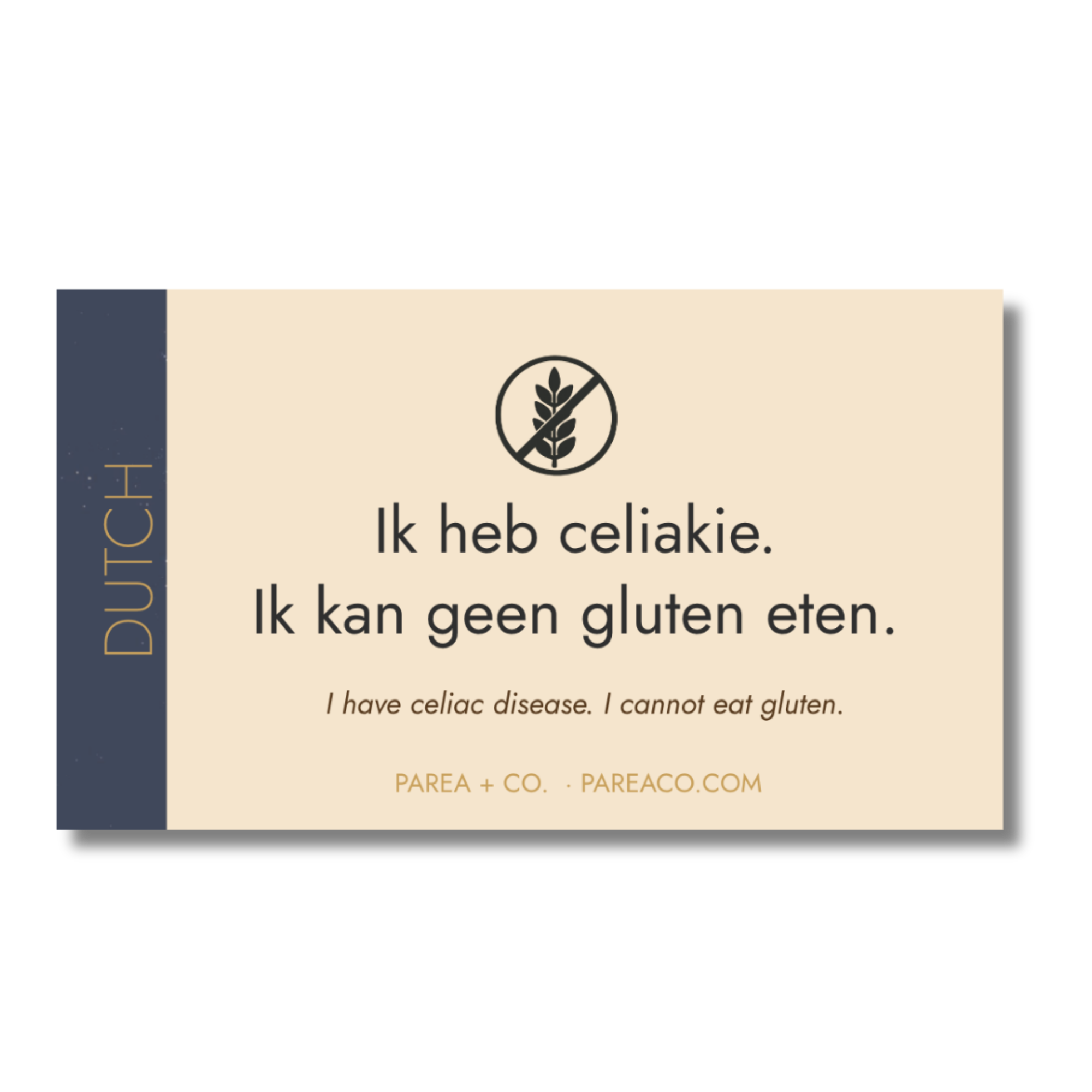
One line moves you from "preference" to "medical" in a kitchen's eyes. The full script — the questions that get you through a whole meal — is what the Parea translation card is for.
Shop the card →Ready-Made Trips
The core trip. Amsterdam's neighborhoods, museums, and vetted meals, done at a Parea pace.
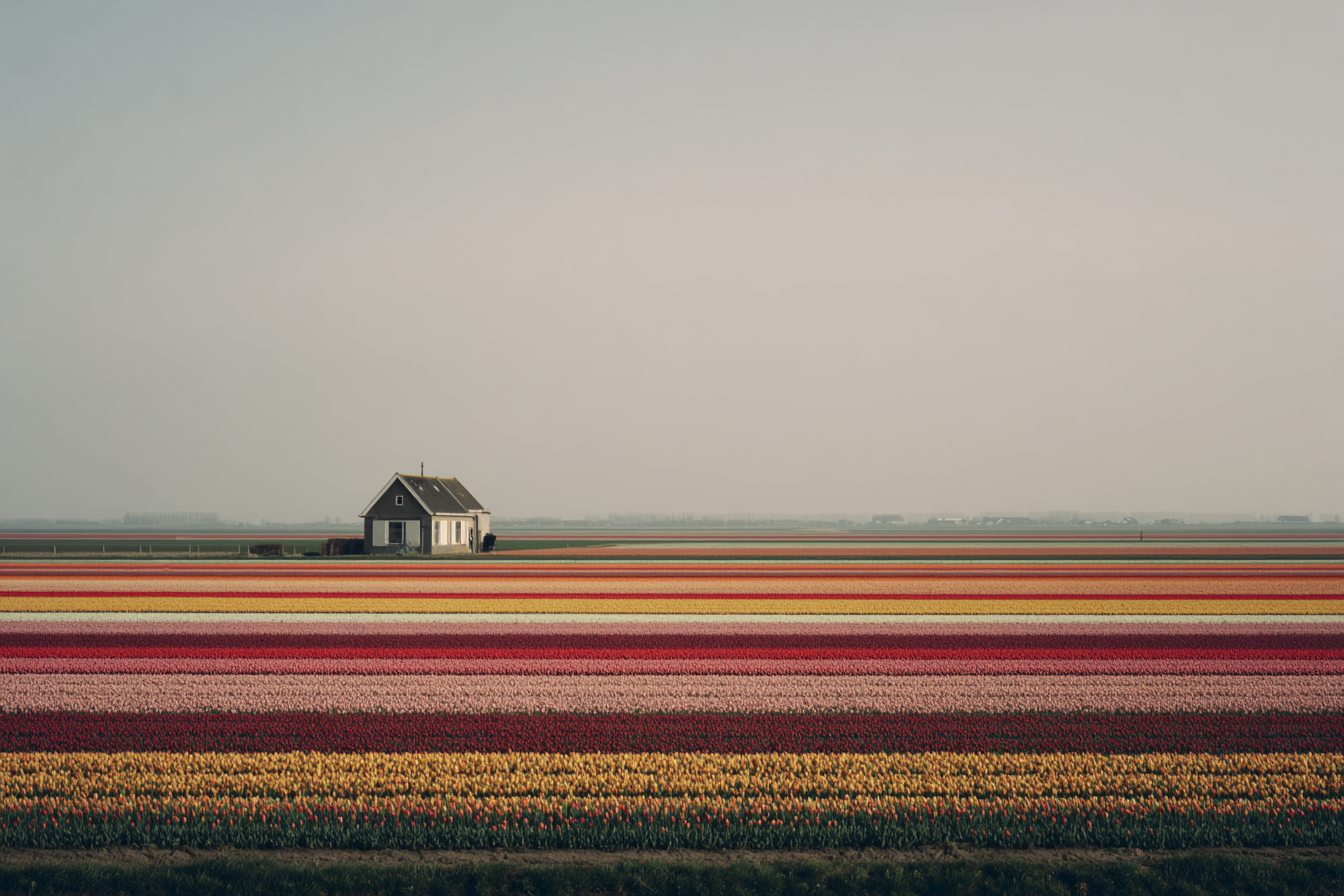
Built around the April bloom — Keukenhof, the flower fields, and the city in full color.
Amsterdam and Bruges over the holidays: Christmas markets, the canal Light Festival, cold-weather comfort.
These are starting points. Every trip we plan is built around your dates, your interests, and how you like to travel.
Choosing a base
Stay central and the vetted restaurants and bakeries are a walk away — which is the whole point in a city this size.
De Pijp has the most gluten-free-aware kitchens in the city, packed into a dense, easygoing neighborhood you can walk end to end. The Jordaan is quieter and prettier — canal after canal, small and walkable, close to the Anne Frank House and the center without the crowds. Either puts you within a short walk of most of what you'll want to eat.
Hotels here are accommodating rather than dedicated to gluten-free, so the safety comes from the kitchens you walk to, not the one downstairs. Which specific hotel — and which tier — is the part we sort in planning.
Food Experiences
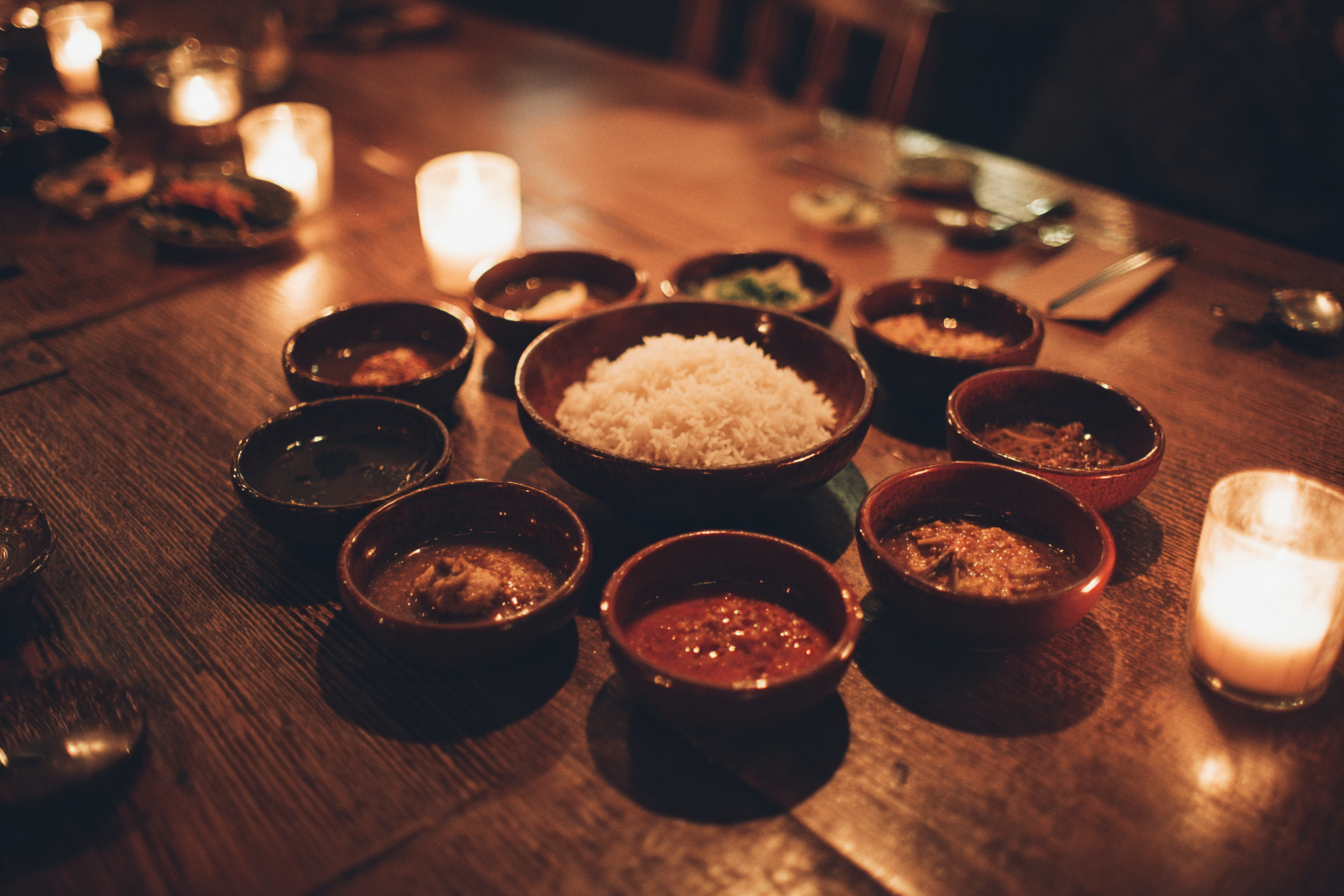
Rijsttafel
Amsterdam's signature meal, brought back from Dutch rule in Indonesia. Dozens of small dishes built around a center of rice.
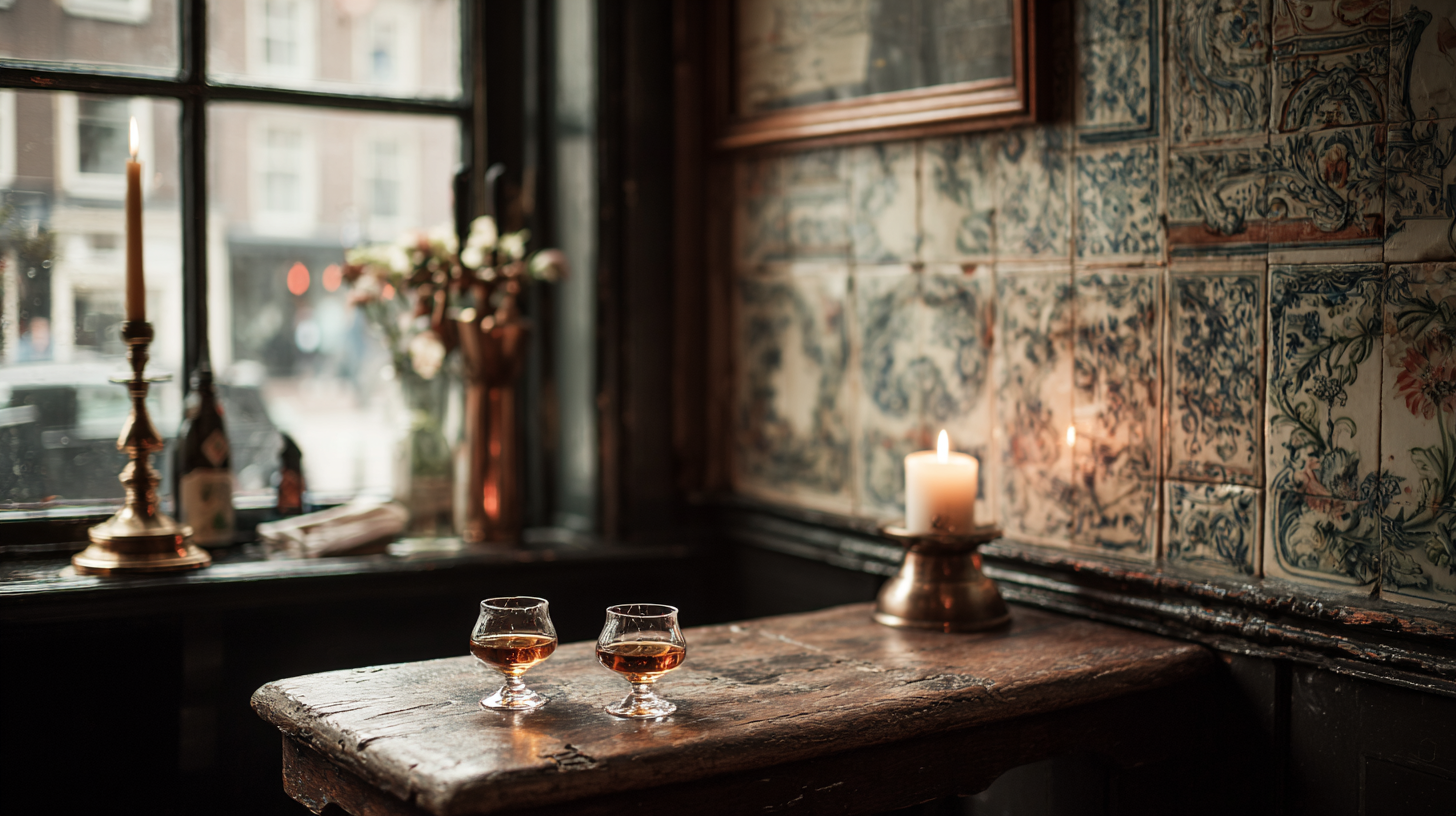
Brown Café Afternoons
One of the oldest ways to spend an afternoon here: dim bars, dark wood, jenever. This is where the Dutch gather to sit and talk.
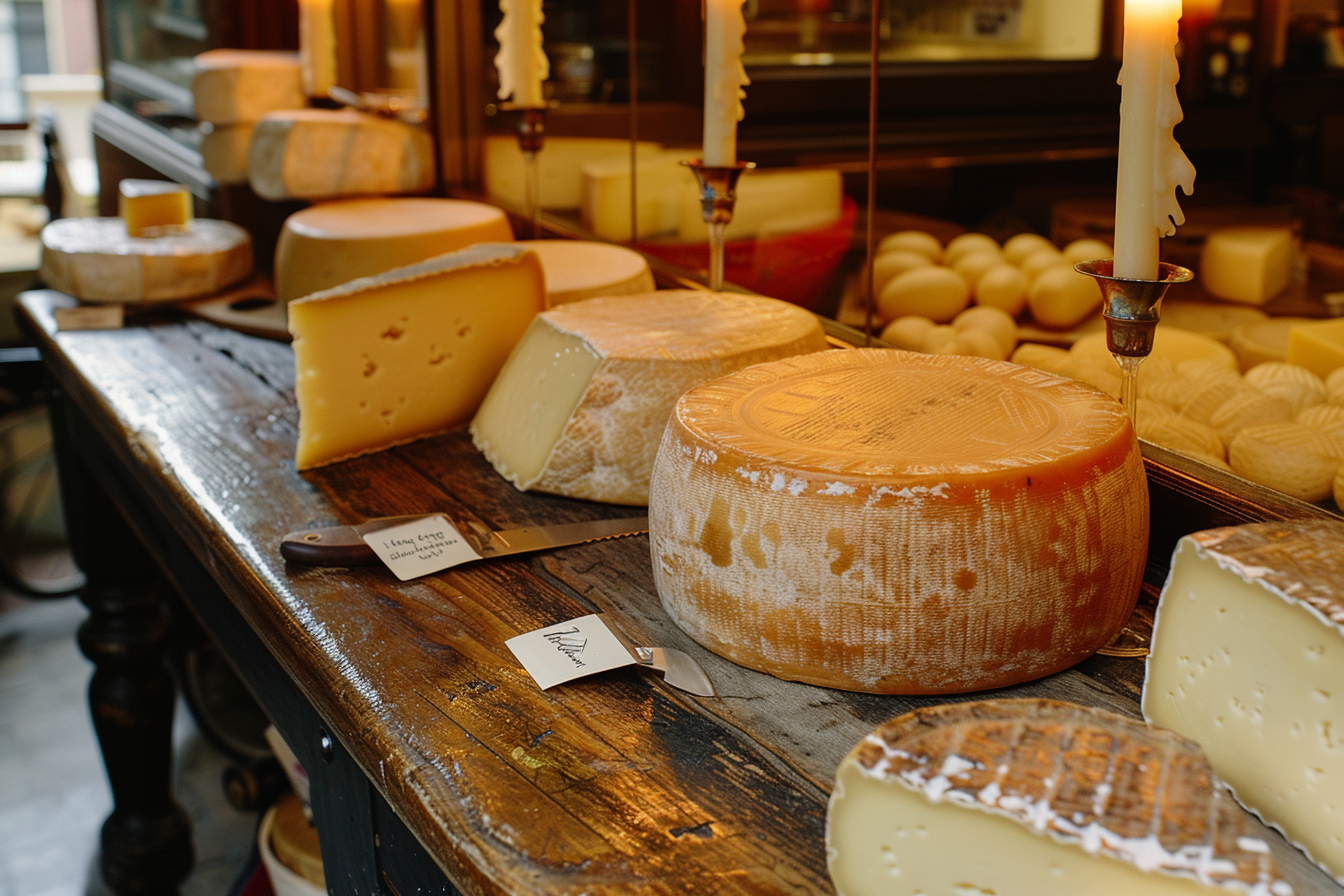
Dutch Cheese Tastings
Aged Gouda by the wedge, straight from the source. The real thing: aged hard, sold by the wheel, sampled at the counter.


Common questions
Is the Netherlands hard for celiacs?
Less than you'd expect. While the culture is bread-heavy, labeling is rigorous and the dedicated gluten-free scene is strong. And nearly everyone in the Netherlands speaks fluent English, so explaining what you need is rarely the hurdle it can be elsewhere.
Can I drink beer?
Most Dutch beer isn't safe, but gluten-free options turn up at specialty bars and supermarkets. Jenever — the Dutch gin — is a better bet: it starts from grain, but distillation leaves the gluten behind.
Is there gluten-free bread?
Yes — dedicated bakeries, an increasing number of cafés, and a reliable supermarket range.
Do restaurants understand cross-contact?
Dutch directness helps. Staff are legally required to identify allergens and tend to be clear about what they can and can't promise.
Reading before you go

Want someone to handle the details?
We know the Netherlands well — the neighborhoods, the kitchens, the restaurants worth building a day around. Tell us where you want to go.