
The Winter Edition
7 Nights | Amsterdam + Bruges
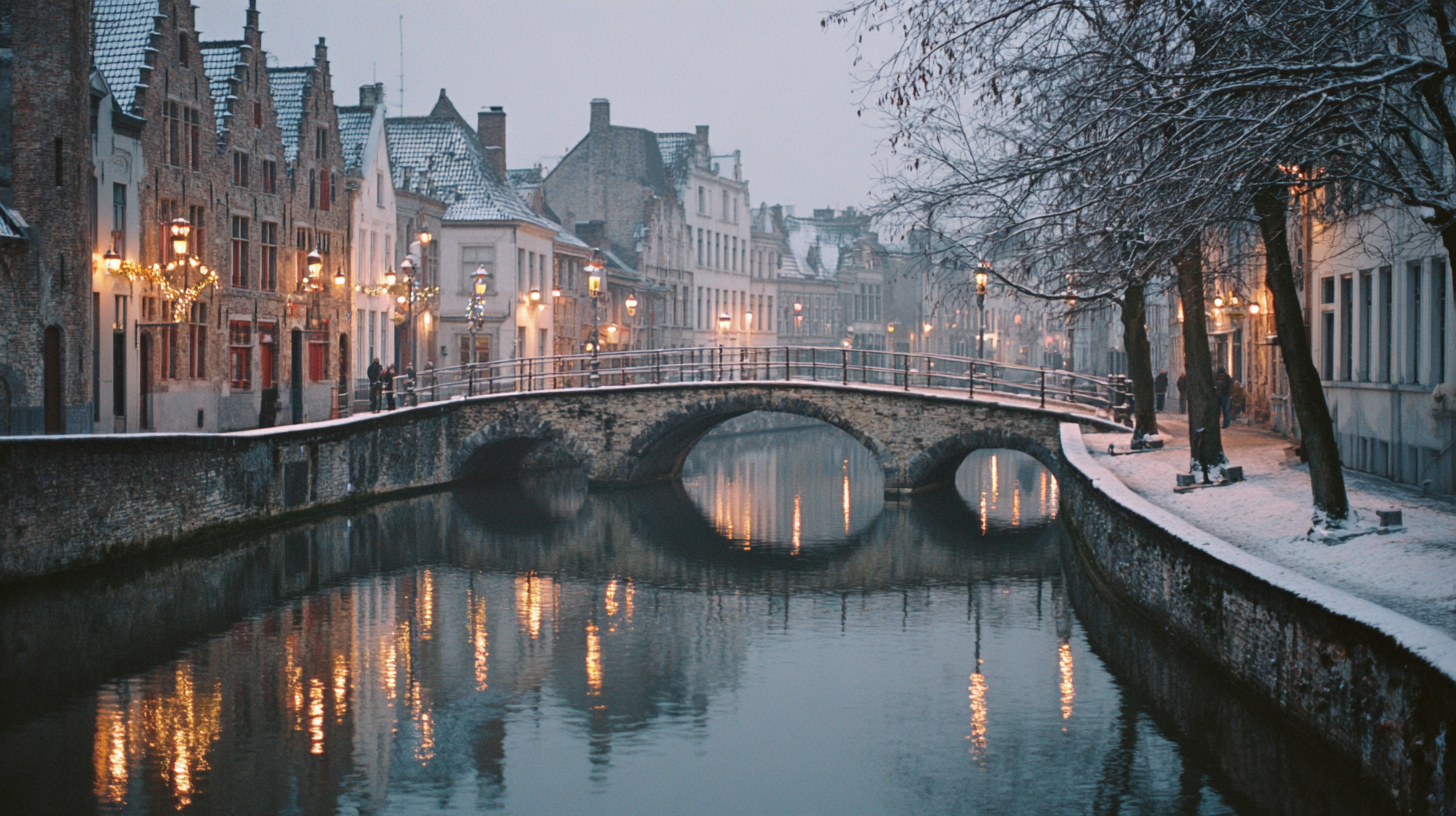
Amsterdam in December is quieter than it is in April, and better for it. The canal houses glow from within. The Light Festival turns the Herengracht into something you'll struggle to describe to people who weren't there. And Bruges — two and a half hours southwest by train — feels less like a city and more like something someone dreamed up when the question was: what should a medieval winter look like?
This itinerary gives you five nights in Amsterdam and two nights in Bruges, with a full travel day to close. The shape of each day is deliberately unhurried. There is time to get cold, find warmth, eat well, and go back out again.
This itinerary is designed for the December holiday season. The sweet spot is mid-December — roughly December 13 through 22 — when every event is open, the atmosphere is fully lit, and the pre-Christmas crowds are festive rather than overwhelming. Arriving earlier in December means the Ice Village and Winter Paradise may not yet be open; arriving after December 28 means some markets will have closed. New Year's Eve travel requires separate planning.
Amsterdam + Bruges: The Winter Edition
7 nights · Ice & Candlelight
FROM
$1,600 - $4,800
per person · excl. flights
-
Schiphol Airport is twenty minutes from the city center — one of the quieter airport arrivals you'll find in Europe, and a reasonable first impression of a country that tends to have things organized. After check-in, the evening is yours to ease in. The Nine Streets neighborhood rewards slow walking: narrow canal bridges, independent shops, the particular quiet that settles over the water after 7pm. December adds something to all of this — the canal houses lit from within, the smell of glühwein from a stall on the corner, the city already dressed for something. Dinner is at a vetted gluten-free-friendly restaurant nearby — a warm room, a good glass of wine, and the satisfying feeling that you've arrived somewhere worth being.
-
The Royal Palace on Dam Square is one of Amsterdam's grandest interiors, and December gives it an atmosphere that the warmer months don't. The state rooms are dressed for the season — the Marble Hall's inlaid world maps glowing under festive light, a Christmas tree positioned under the central dome where the VOC trade routes once radiated outward. It's quieter than its location would suggest, and worth an hour of your morning. From there, the Rijksmuseum: skip-the-line entry, the Dutch Masters exactly where they should be, and the particular satisfaction of giving Vermeer the time he deserves. The evening belongs to the Light Festival. A canal cruise at 7pm or 8pm — the only time that makes sense — takes you past 20+ light installations along the Herengracht and Oosterdok. Glühwein on board, blankets provided, the canal reflections doing most of the work. Book in advance; December slots fill early.
-
The Anne Frank House requires a timed entry booked well in advance — it sells out weeks ahead, and this is not a visit to leave to chance. The experience is quiet and unhurried by design; plan to spend the rest of the morning in the Jordaan afterward, letting the neighborhood recalibrate you. This is Amsterdam's most characterful quarter — canal after canal, small galleries, a specialist cheese shop on every second corner, and the kind of afternoon that doesn't need a plan. If your visit falls on a Saturday, the Noordermarkt is the farmers' market locals actually shop at: aged Gouda and Edam that are naturally gluten-free, organic produce, and the pleasant chaos of a city going about its weekend. The evening settles into a brown café — the kind of seventeenth-century room with a potbelly stove and a jenever list worth working through slowly.
-
A slower day, which Amsterdam makes easy. The morning is for the Albert Cuyp Market in De Pijp — the city's largest outdoor market, less festive than the Christmas stalls but considerably more real, with aged cheese vendors and fresh produce stalls that reward a long wander. De Pijp's café scene is among the best in Amsterdam for gluten-free travelers; lunch here is unhurried and reliable. The afternoon brings you back toward the city center and Dam Square — the Nieuwe Kerk is worth stepping into, and De Bijenkorf's Christmas window displays are genuinely worth the detour. The evening ends at Wynand Fockink, a proeflokaal off Dam Square that has been serving jenever since 1679. Standing room only, low ceilings, an extraordinary selection of Dutch liqueurs, and a bartender who will tell you where to start. All of it naturally gluten-free, all of it worth the hour.
-
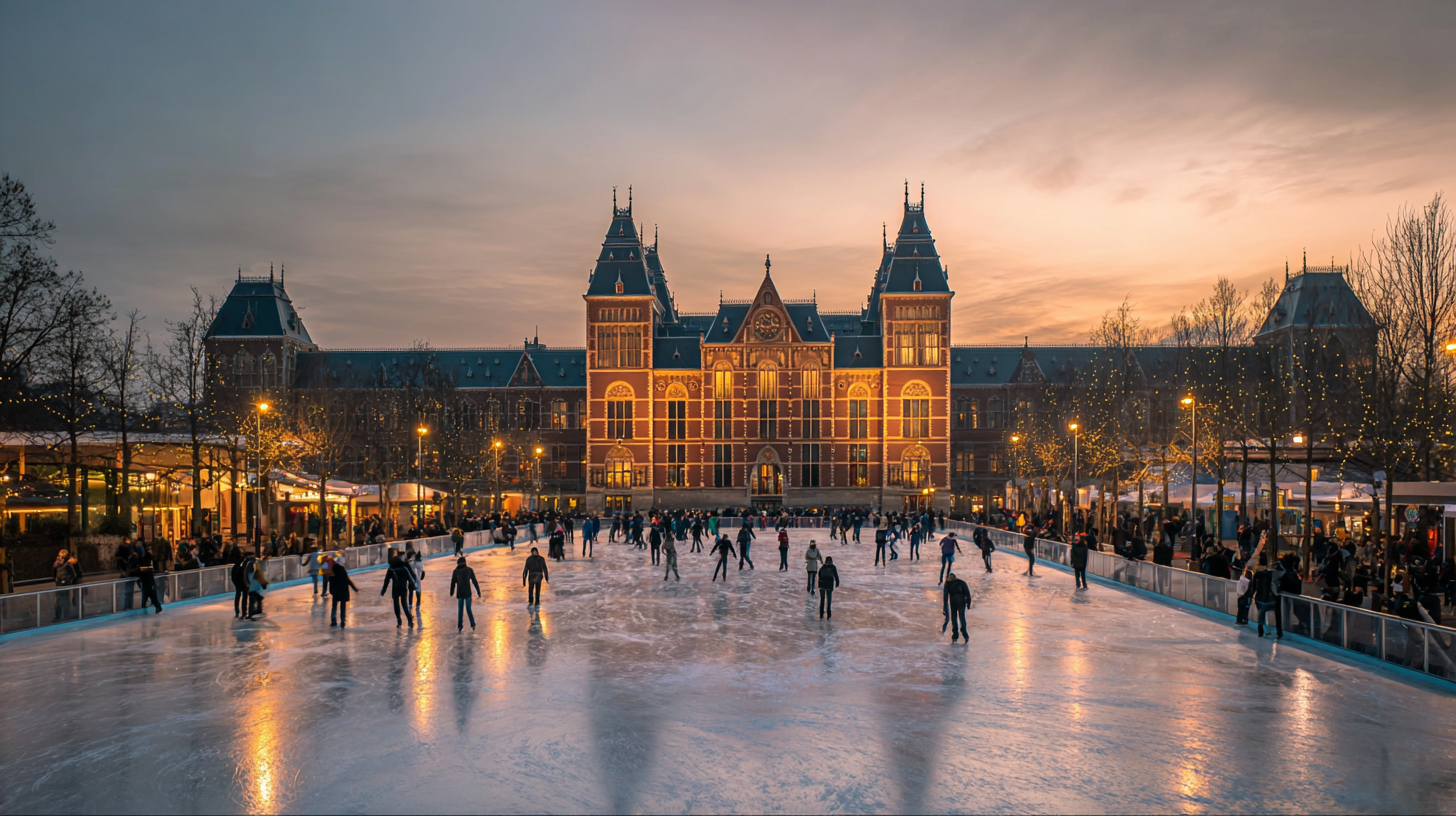
Day 5 is deliberately open. Amsterdam rewards returning to the places you've already been — the same canal at a different time of day looks different. This is the morning for a museum you didn't finish, a longer breakfast, a walk east toward the Plantage neighbourhood and Artis, or simply the kind of unhurried day that a good trip needs somewhere in it. For those who want one big festive night out, Het Amsterdamse Winterparadijs at the RAI is the Netherlands' largest winter event — an indoor/outdoor festival with the country's biggest temporary ice rink, live music, and an energy that is deliberately louder and more spectacular than anything else on this itinerary. It's optional, it's not for everyone, and it's exactly right for the people it's right for. Your Parea advisor will have sorted the tickets and a pre-event dinner that doesn't require you to eat at a market stall.
-
The train from Amsterdam Centraal to Bruges takes around two and a half hours with one change, typically in Antwerp or Brussels. Pack something for the journey — Albert Heijn at Centraal has a solid gluten-free selection, and the train has no reliable dining option. Arrive in Bruges by early afternoon, check into your hotel in the historic centre, and give your first hours over to someone who knows the city properly. A private Christmas Market Walking Tour departs from the Grote Markt and takes you through two hours of Burgundian history, Christmas market context, and the stories behind the city's winter traditions — which chocolatiers make their own product, what distinguishes the Grote Markt stalls from the smaller Simon Stevinplein market, and where the light installations reward a second look. At 5:30pm, the Winter Glow trail switches on. The 3km route through Bruges' quieter streets and canal network is free and self-guided — and your guide will have already pointed you toward the strongest installations. The canal at Rozenhoedkaai is the one you'll want to photograph. Dinner is at a restaurant booked in advance; Bruges fills early in December.
-
The Ice Sculpture Festival is held in a temperature-controlled dome near the train station — the largest recurring ice event in Belgium, with international sculptors producing large-scale works that change annually. Dress warmly; the dome is kept cold enough to preserve the ice. The afternoon returns you to the city centre: the Simon Stevinplein Christmas market is smaller and less crowded than the Grote Markt, with more local craft and more room to actually look at things. The chocolate shops on Katelijnestraat are the best in Bruges for serious shopping — plain chocolate, pralines, and ganaches are naturally gluten-free, and the shops that make their own product on-site can tell you exactly what's safe. Ice skating at Minnewater closes the afternoon, with the Vorst Winter Bar alongside serving warm drinks and the view over the Lake of Love and the Beguinage beyond it. Walk the light trail again after dark — the second time is better, because you know where you're going. Tonight's dinner is the occasion for something considered. Reserve well in advance.
-
The return train from Bruges to Amsterdam takes the same route in reverse — two and a half hours, one change, direct connection to Schiphol from Centraal. Check your train time the night before; early connections can be faster. If the morning allows it, the Grote Markt before the stalls open and before the day-trippers arrive is one of the quieter pleasures Bruges offers — a medieval square going about its morning, unhurried, exactly as it has been for six centuries. Your transfer details will be confirmed before you need them.
Amsterdam Hotel Options
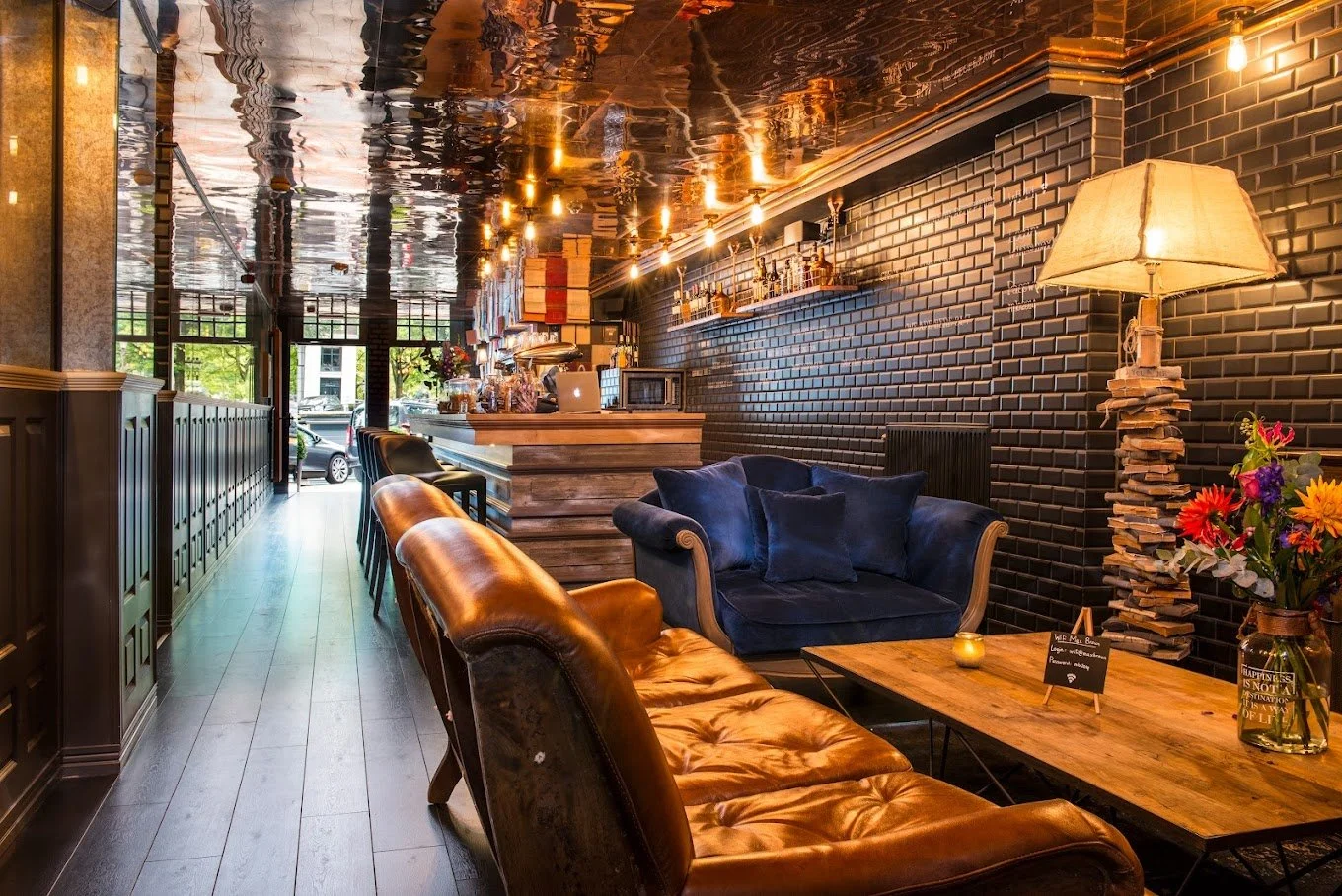
Max Brown Canal District
Herengracht · Nine Streets
Three restored canal houses on the Herengracht. Design-forward, well-located, and exactly as comfortable as it needs to be.
From $190/night · shoulder season
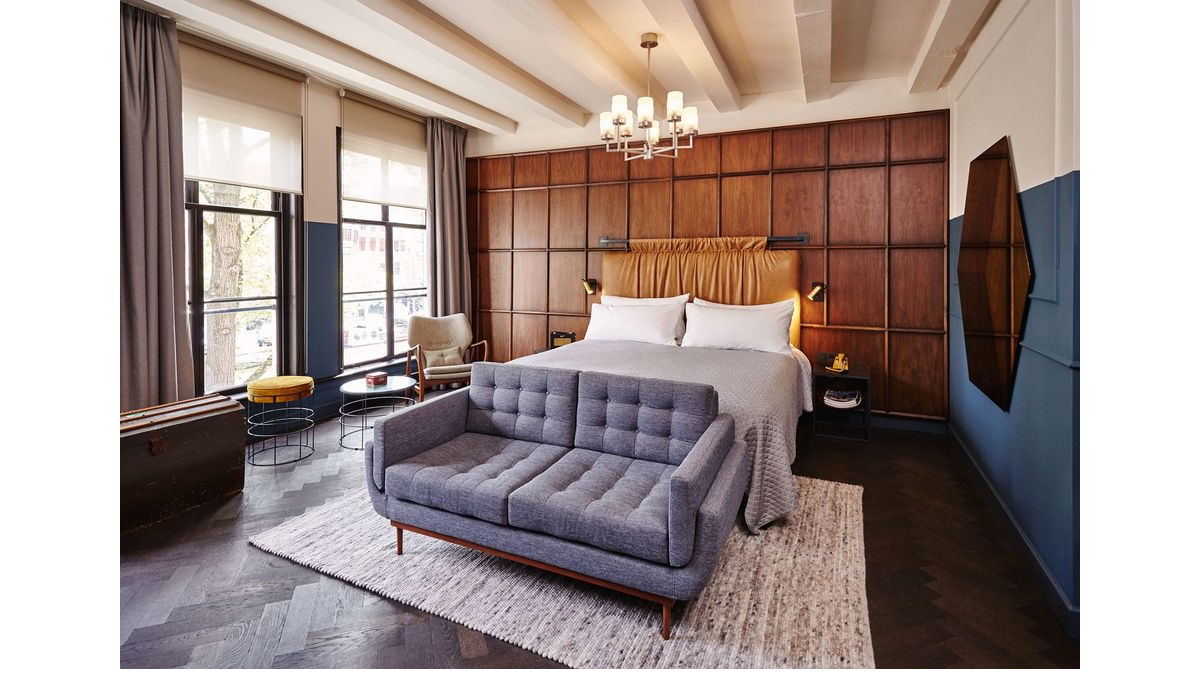
The Hoxton Amsterdam
Herengracht · Nine Streets
Five canal houses strung together on the Herengracht. The sweet spot of authenticity, design, and location.
From $220/night · shoulder season
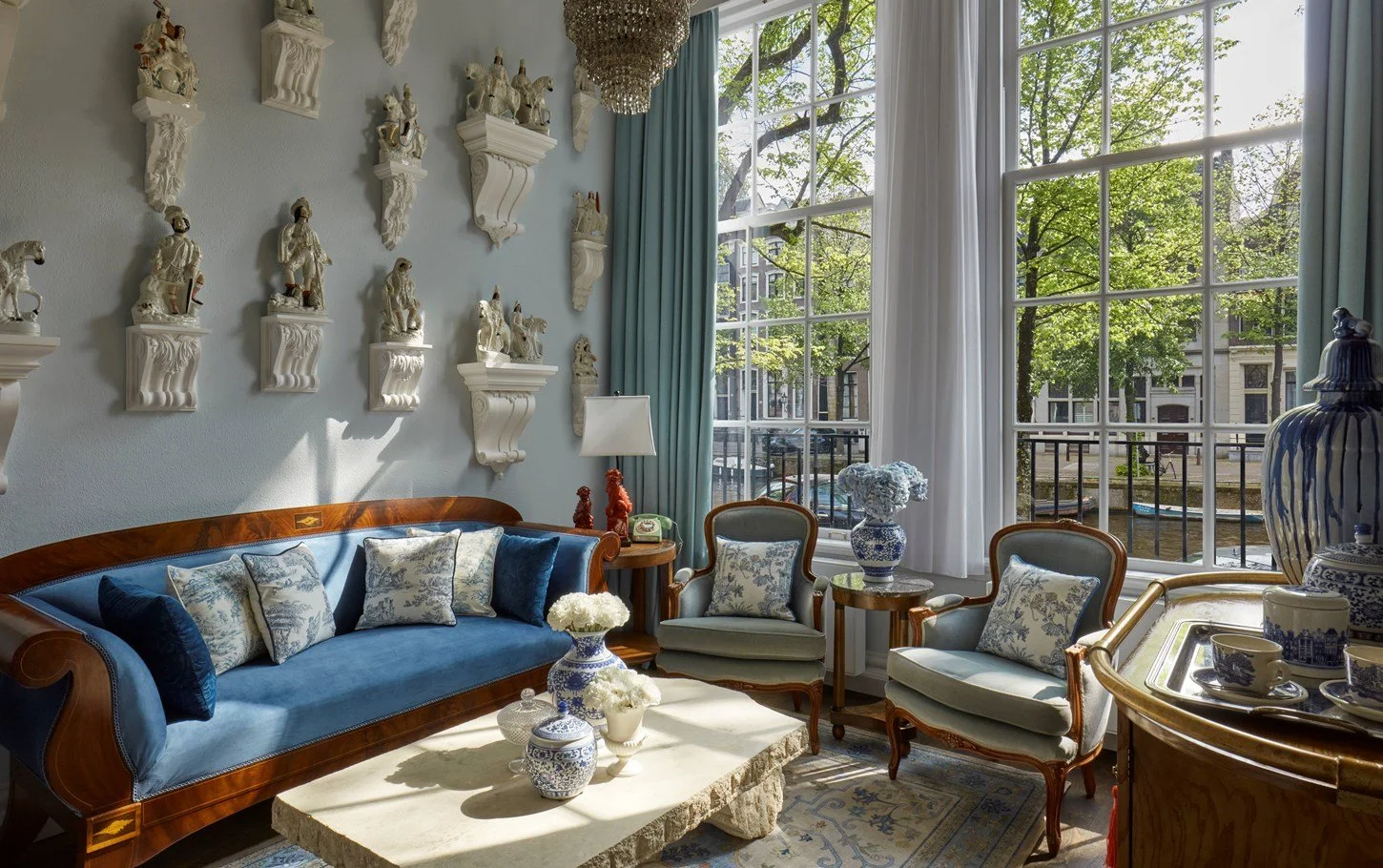
Pulitzer Amsterdam
Prinsengracht · Nine Streets
Twenty-five restored canal houses. A Preferred Hotels member. The accommodation that becomes part of the experience.
From $350/night · shoulder season
Bruges Hotel Options
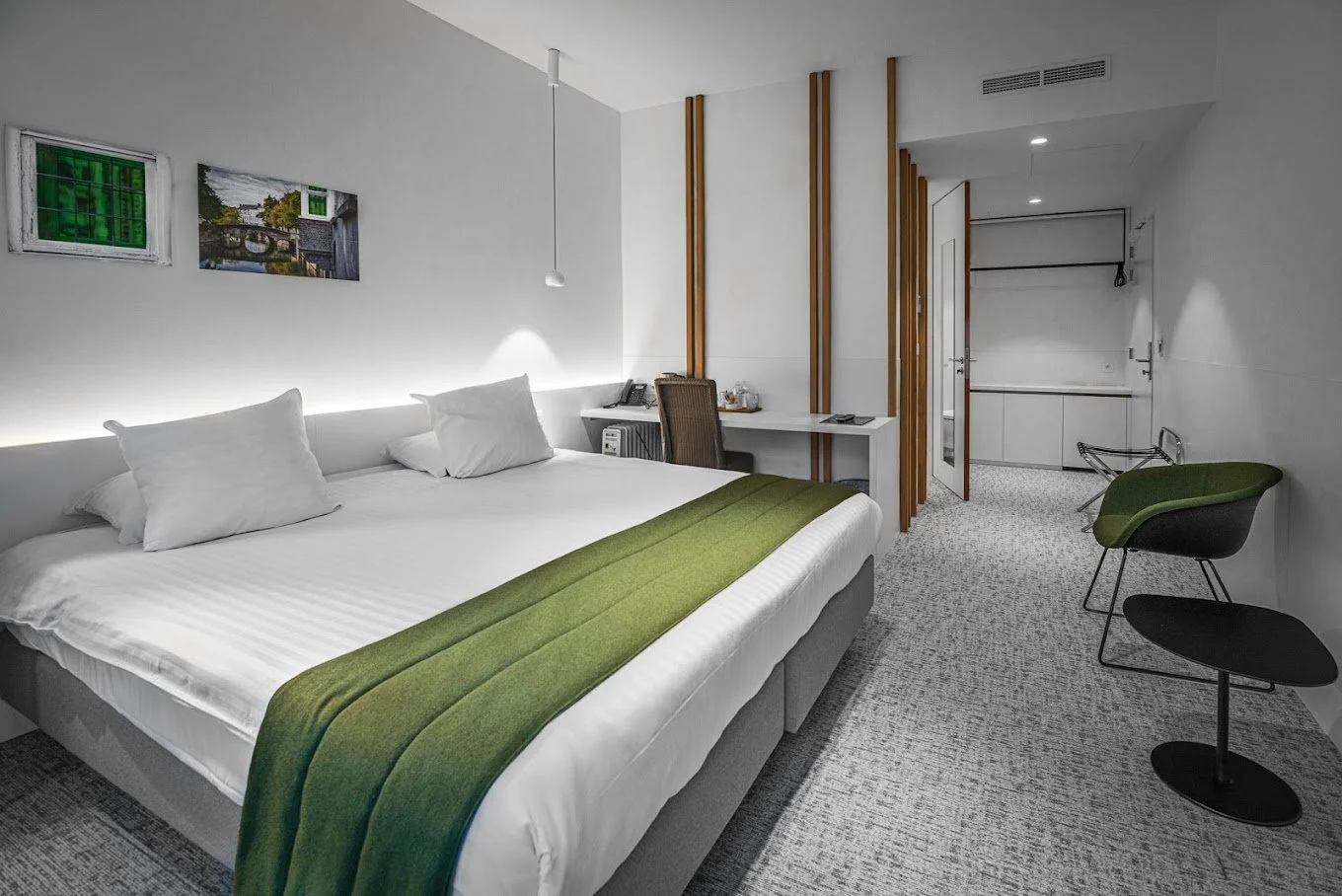
Hotel Bourgoensch Hof
Wollestraat · Historic Centre
A well-positioned canal-side property steps from the Rozenhoedkaai. Reliable, comfortable, and exactly where you want to be at the end of a day in Bruges.
From $120/night · shoulder season
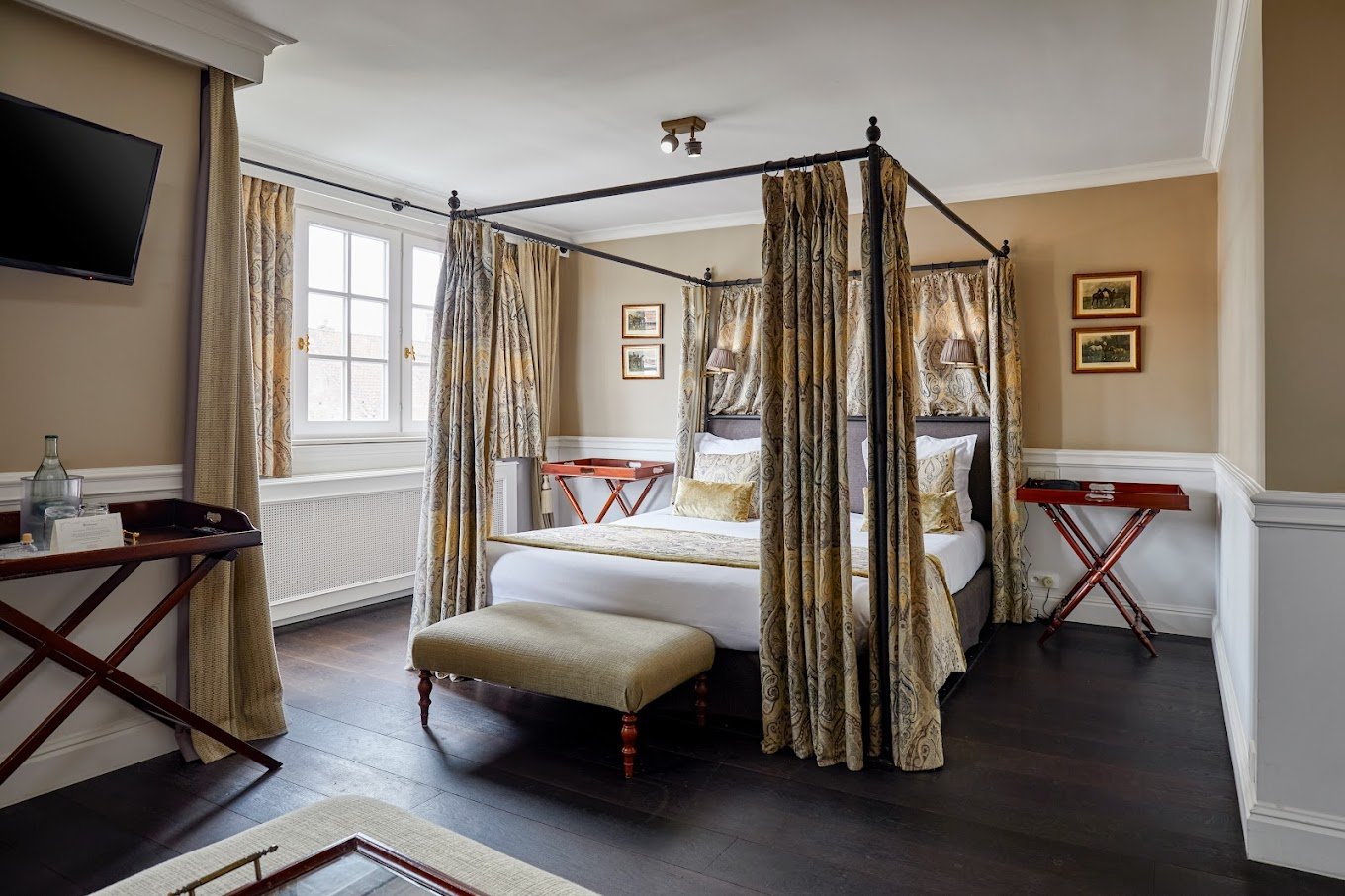
The Pand Hotel
Pandreitje · Historic Centre
A restored 18th-century carriage house tucked into a quiet lane near the Dijver. Antique furnishings, genuine warmth, and the kind of atmosphere Bruges does best.
From $180/night · shoulder season
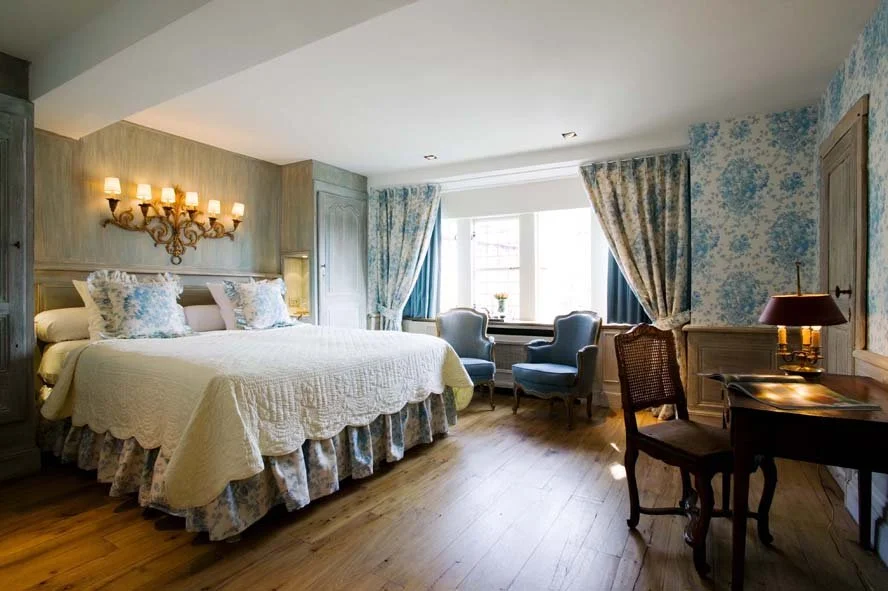
Relais Bourgondisch Cruyce
Wollestraat · Historic Centre
Two medieval guild houses above the canal at Rozenhoedkaai — arguably the most beautiful address in Bruges. The accommodation is the experience.
From $280/night · shoulder season
This Journey Includes
7 nights hotel (5 Amsterdam + 2 Bruges)
Amsterdam Light Festival canal cruise
Royal Palace at Christmas entry
Rijksmuseum skip-the-line entry
Anne Frank House timed entry
Bruges Private Christmas Walking Tour
Amsterdam + Bruges airport and station transfers
Option for extra nights
Flexible departure cities
Additional optional tours
Prices are in USD and exclude international flights. This trip price is based on low season rates for accommodation and other applicable services, and may change depending on availability, currency fluctuations and number of people traveling together. For high season prices, please contact us with your exact travel dates and preferences. Trips exclude meals, tips, personal expenses, visa and tourism fees, insurance.
Gluten Free Travel in the Netherlands and Belgium
The Netherlands is one of Europe's more practical destinations for gluten-free travelers. EU allergen labeling laws are rigorously enforced, Dutch directness means staff are comfortable and clear when discussing what is and isn't safe, and Amsterdam in particular has a well-developed selection of dedicated GF bakeries, cafés, and GF-aware restaurants. Albert Heijn supermarkets carry a solid Vrij van Gluten range — useful for stocking a hotel room with safe breakfast options from the first morning.
Belgium adds a different dimension. Bruges is a smaller city with less developed dedicated GF infrastructure than Amsterdam, but it offers something Amsterdam doesn't: a food culture built around chocolate, aged cheese, moules-frites, and waterzooi — all of which are navigable with the right knowledge. Plain chocolate and pralines are naturally gluten-free. The frites question is the critical one: a dedicated fryer is what separates a safe cone of frites from a cross-contamination risk, and your Parea advisor will have identified the right vendors before you arrive.
Key considerations across both cities:
Bread is central to Dutch breakfast and lunch culture. Dedicated GF options are available at specialty shops and an increasing number of cafés — Parea will direct you to the best in Amsterdam.
Indonesian rijsttafel in Amsterdam is largely naturally gluten-free — always confirm sauces and satay marinades, as soy sauce is common.
Dutch stroopwafels, poffertjes, and most traditional baked goods are not gluten-free. Dedicated GF versions exist at specialty shops.
Belgian waffles are not safe. Belgian chocolate (plain, praline, ganache) generally is — but confirm any fillings with biscuit, wafer, or cookie pieces.
Belgian beer — including Trappist ales, abbey beers, and lambics — is not gluten-free. Stick to wine, spirits, or cider in Bruges. Dutch jenever is naturally gluten-free.
Bruges requires advance restaurant research. The dedicated GF infrastructure is less developed than Amsterdam; your Parea advisor will have vetted dining confirmed before you travel.
EU allergen labeling laws apply in both the Netherlands and Belgium. Restaurant staff are legally required to identify allergens in their dishes.
Every dining recommendation in this itinerary has been curated with celiac safety in mind. Parea handles the research so you can focus on the adventure.