
Tulip Season
6 Nights • Amsterdam peak bloom
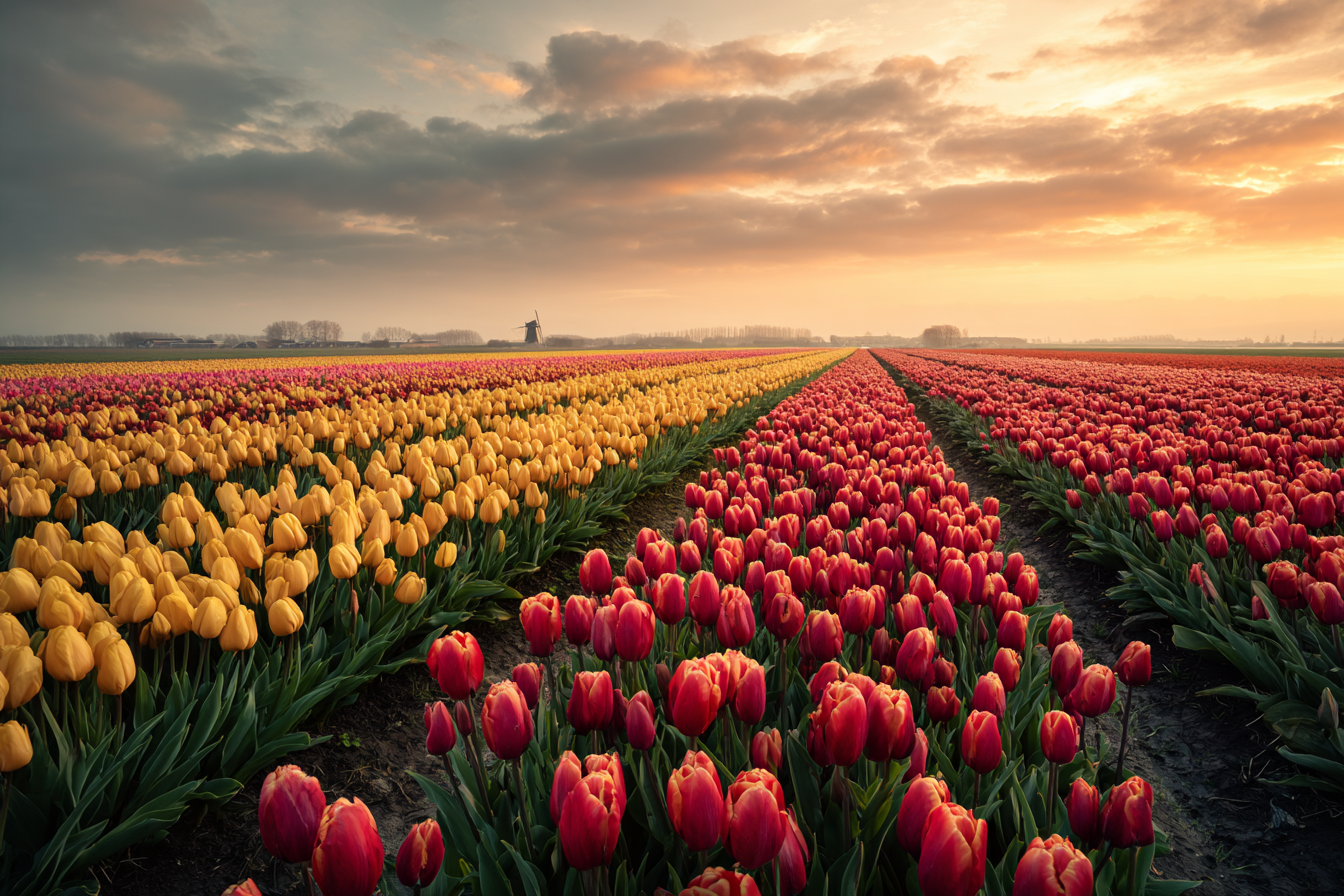
The Netherlands has been growing tulips for four centuries, and every April the country makes a case that it was worth the effort. The Bollenstreek — the bulb region stretching south from Haarlem along the North Sea coast — transforms into long horizontal stripes of red, yellow, pink, and purple that stretch to the horizon. Keukenhof opens its gates to seven million bulbs. The canals of Amsterdam reflect flowering cherry trees. The terraces fill.
This itinerary is built around the bloom. Six days, one hotel, day trips that reach out into the countryside and come back each evening to the city. Unhurried enough to notice things. Structured enough to see everything that matters.
Peak tulip season falls between mid-April and late April — roughly April 10 through April 26 — when the production fields of the Bollenstreek are at full colour and Keukenhof is in its finest display. The season varies by up to two weeks depending on that year's temperatures: a warm spring accelerates the bloom; a cold one delays it. Keukenhof publishes weekly flower reports from opening day, and FlowerTour.nl maintains a live field map showing which areas are currently blooming.
The Tulip Season
6 nights · Peak bloom season
FROM
$1,300 - $4,200
per person · excl. flights
-
Schiphol Airport is twenty minutes from the city center — one of the quieter airport arrivals you'll find in Europe, and a reasonable first impression of a country that tends to have things organized. In April, the arrival is softer than other seasons: the light is longer, the canal bridges are lined with flowering cherry trees, and the city has an unhurried energy that the summer crowds haven't yet arrived to complicate. After check-in, the evening is yours to ease in. The Nine Streets neighborhood rewards slow walking: narrow canal bridges, independent shops, the particular quiet that settles over the water after 7pm. Dinner is at a vetted gluten-free-friendly restaurant nearby — a warm room, a good glass of wine, and the satisfying feeling that you've arrived somewhere worth being.
-
The morning starts on the water. A guided canal cruise gives you the city's layout from the only angle that makes real sense — from the canals themselves, looking up at the leaning seventeenth-century facades and the lives happening behind them. In April, the city's spring tulip plantings are visible from the water: Museumplein, Vondelpark, and the canal banks are all in bloom as part of the Amsterdam Tulp Festival, which runs through the entire month. Lunch is in De Pijp, where the food scene has quietly become one of the best in the city for gluten-free travelers — and where Craft Coffee & Pastry, a dedicated gluten-free bakery, is worth building time around. The afternoon is the Rijksmuseum: skip-the-line entry, Vermeer and Rembrandt on walls that were built for exactly this purpose, and the Dutch Golden Age made tangible. The evening ends in a vetted brown café — the kind of dimly lit, wood-paneled room that Amsterdam has been perfecting since the seventeenth century, with a jenever list worth exploring at your own pace.
-
This is the day the itinerary is built around. Keukenhof — thirty-five minutes from Amsterdam by bus from RAI — is the world's largest flower garden: 32 hectares, seven million bulbs, and a display that changes week by week through the season. The combi-ticket includes return transport and garden entry. Arrive as early as the first slot allows — the gardens in the first hour have a quality that the midday crowds change. The indoor pavilions offer extraordinary displays regardless of weather; the outdoor beds in mid-April are at full color saturation. Allow the full morning and a good part of the afternoon. The bus back drops you in the city with enough time to decompress before dinner at a vetted restaurant — something quieter, after a day spent entirely outdoors.
Keukenhof runs mid-March through mid-May; timed-entry tickets sell out, particularly on weekends during peak bloom. Your Parea planner will have these confirmed before your travel dates.
-
The Anne Frank House requires a timed entry booked well in advance — it sells out weeks ahead, and this is not a visit to leave to chance. The experience is quiet and unhurried by design; plan to spend the rest of the morning in the Jordaan afterward, letting the neighborhood recalibrate you. This is Amsterdam's most characterful quarter — canal after canal, small galleries, the Saturday Noordermarkt if your visit falls on a weekend, aged cheese and organic produce and the pleasant chaos of a city going about its morning. De Kaaskamer on Runstraat is the city's best independent cheese shop; aged Gouda and Edam are naturally gluten-free and excellent for an afternoon in the pocket. The Nine Streets connect the Jordaan to the canal belt — boutique shopping, good coffee, and the kind of afternoon that rewards following your instincts rather than a map.
-
A fifteen-minute train from Amsterdam Centraal delivers you to Haarlem: quieter canals, fewer crowds, and a pace that Amsterdam sometimes loses to its own popularity. In April, Haarlem is the gateway to the flower fields — the production bulb fields of the Bollenstreek begin roughly ten kilometers south of the city, and cycling into them from Haarlem is one of the most distinctive things the Netherlands offers any time of year. The fields are agricultural, not decorative: long, flat, horizontal stripes of color at ground level, stretching to the horizon with a geometry that painters have been trying to capture for three centuries. Rent a bike from the station, follow the Bollenstreek Flower Route south, and let the landscape do what it does. Haarlem itself rewards time in the late afternoon — the Grote Markt, the Grote Kerk, and a final coffee before the train home. Your Parea itinerary will have a gluten-free lunch sorted for the route — there is no shortage of good options in Haarlem itself.
-
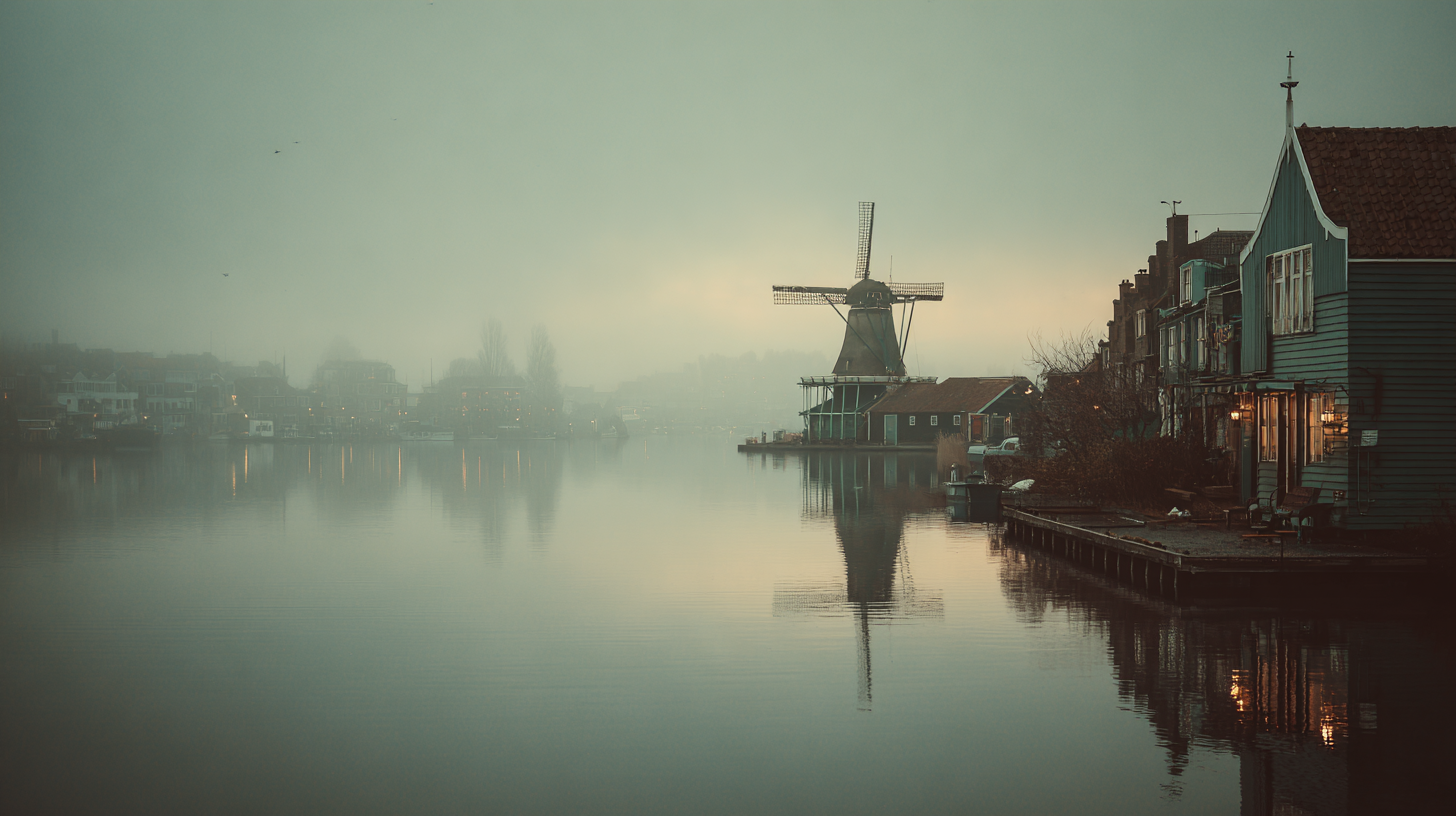
Twenty minutes north of Amsterdam, the landscape opens into something that feels genuinely different from the city: working windmills, wooden houses painted in the traditional Zaan green, and a sense of the Netherlands that predates the canal ring by several centuries. Zaanse Schans is a residential neighborhood rather than a theme park — people actually live here, the windmills are operational, and the pace is unhurried. A half-day excursion at most, which leaves the afternoon free for a final wander through the Jordaan, a last visit to a favorite café, or simply sitting on a canal bench and letting the city say goodbye properly.
-
Schiphol is close, the connection is straightforward, and your transfer details will be confirmed before you need them. Depending on your departure time, the morning might hold one last stop at Craft Coffee & Pastry for a croissant worth the journey alone, a slow breakfast in the Nine Streets, or a final walk along the Prinsengracht before the city lets you go.
Hotel Options
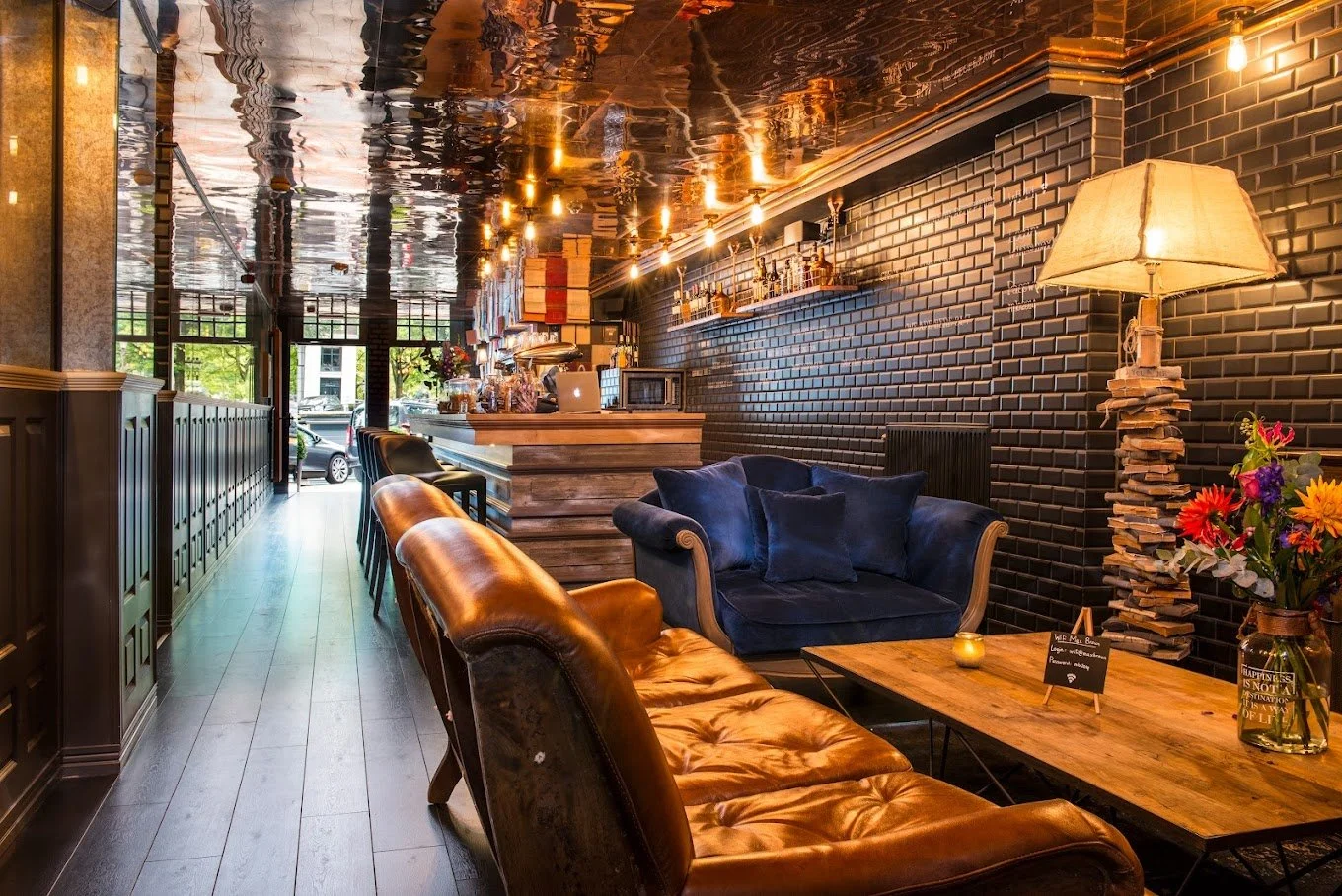
Max Brown Canal District
Herengracht · Nine Streets
Three restored canal houses on the Herengracht. Design-forward, well-located, and exactly as comfortable as it needs to be.
From $190/night · shoulder season
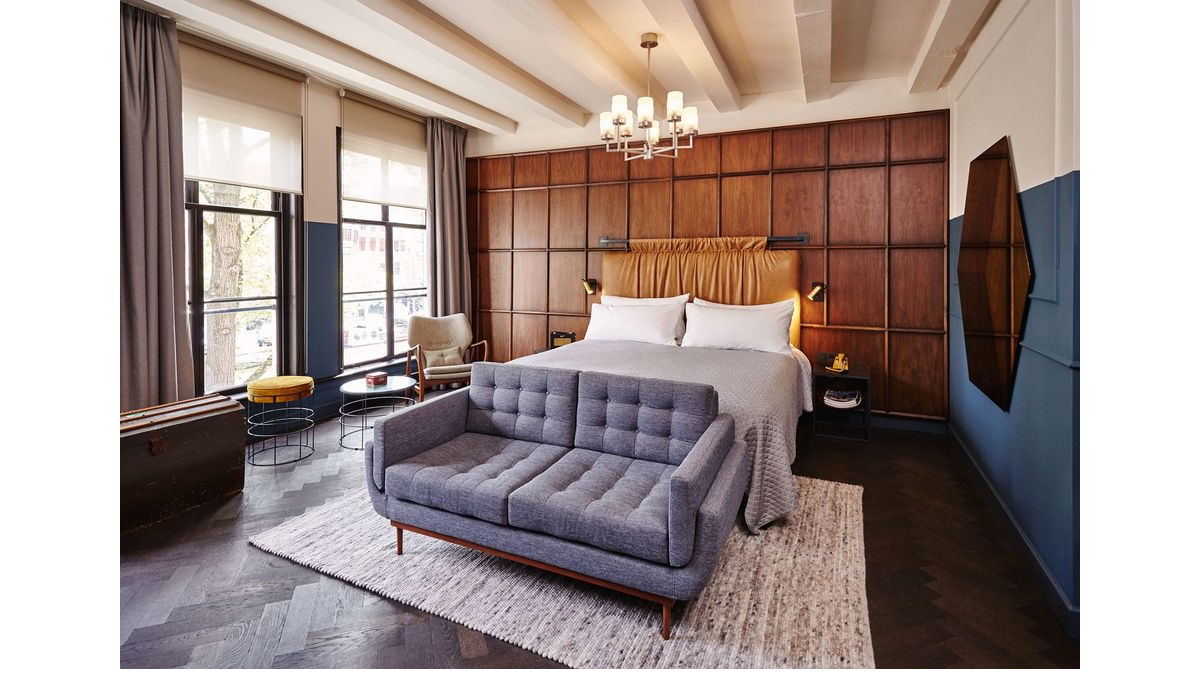
The Hoxton Amsterdam
Herengracht · Nine Streets
Five canal houses strung together on the Herengracht. The sweet spot of authenticity, design, and location.
From $220/night · shoulder season
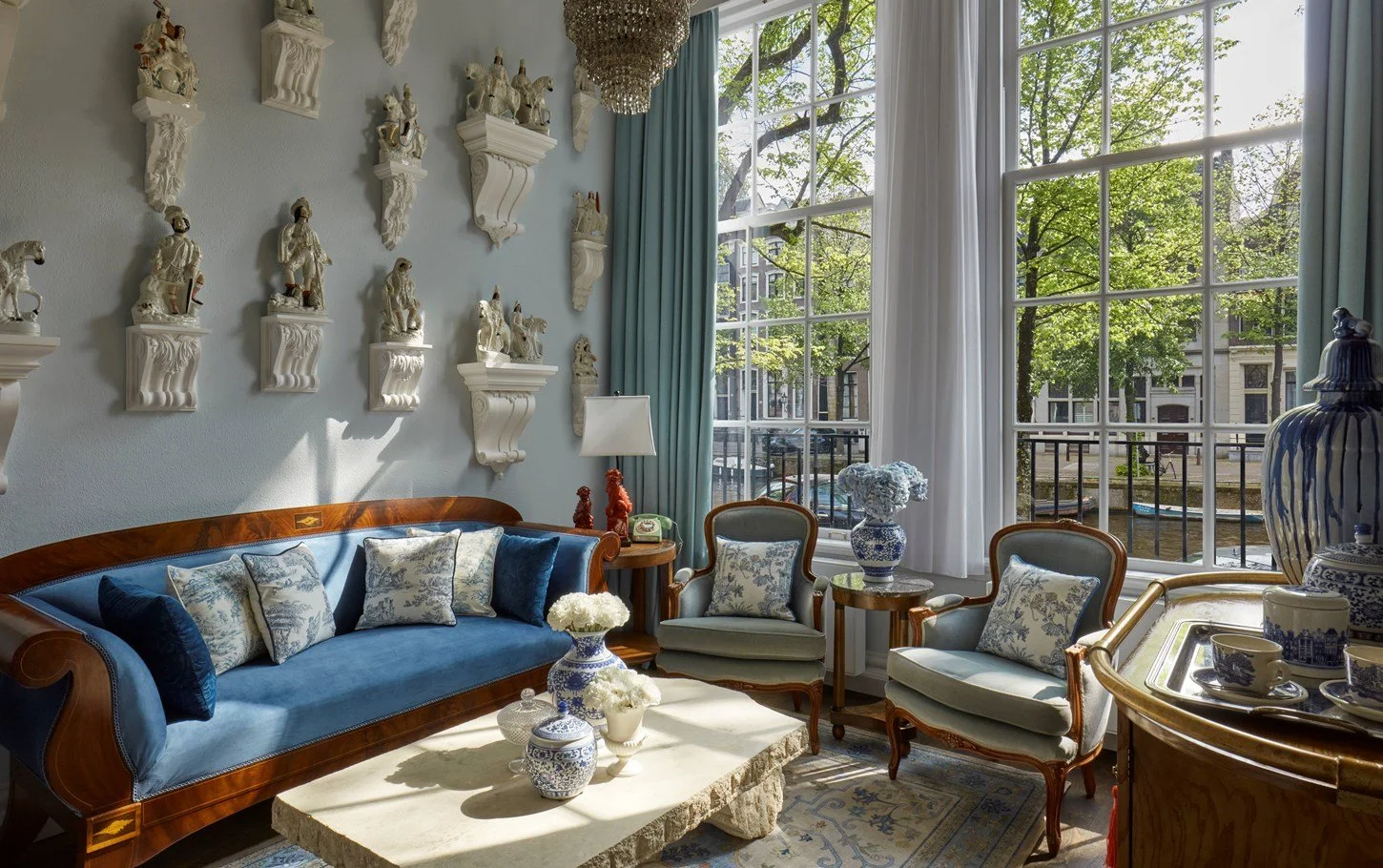
Pulitzer Amsterdam
Prinsengracht · Nine Streets
Twenty-five restored canal houses. A Preferred Hotels member. The accommodation that becomes part of the experience.
From $350/night · shoulder season
This Journey Includes
6 nights hotel
Keukenhof Gardens combi-ticket (entry + return transport)
Guided Amsterdam canal cruise
Rijksmuseum skip-the-line entry
Anne Frank House timed entry
Haarlem day trip with Bollenstreek cycling route
Airport transfers
Option for extra nights
Flexible departure cities
Additional optional tours
Prices are in USD and exclude international flights. This trip price is based on low season rates for accommodation and other applicable services, and may change depending on availability, currency fluctuations and number of people traveling together. For high season prices, please contact us with your exact travel dates and preferences. Trips exclude meals, tips, personal expenses, visa and tourism fees, insurance.
Gluten Free Travel in the Netherlands
The Netherlands is a practical and well-organized destination for gluten-free travelers. Dutch food culture may not have the same Mediterranean depth of naturally GF ingredients as Italy or Greece, but what it lacks in culinary tradition it more than makes up for in transparency, labeling standards, and a health-conscious restaurant scene that takes dietary restrictions seriously. Amsterdam in particular has a well-developed selection of dedicated gluten-free bakeries, cafés, and GF-aware restaurants — and the Dutch directness means staff are generally comfortable and clear when discussing what is and isn't safe.
The traditional Dutch diet does lean heavily on bread — breakfast is almost universally bread-based, and lunch often follows the same pattern. Navigating this requires some preparation, but Amsterdam's international food scene and strong allergen labeling culture mean that options are rarely difficult to find once you know where to look.
Key considerations for gluten-free travelers in the Netherlands:
Bread is central to Dutch breakfast and lunch culture. Dedicated GF bread and bakery items are available at specialty shops and an increasing number of cafés — Parea will direct you to the best options in Amsterdam.
Indonesian rijsttafel (rice table) is one of the most celebrated dining experiences in Amsterdam and is largely naturally gluten-free — always confirm sauces and satay marinades, as soy sauce is common.
Dutch stroopwafels, poffertjes, and most traditional baked goods are NOT gluten-free. Dedicated GF versions exist at specialty shops.
EU allergen labeling laws are enforced rigorously in the Netherlands. Packaged foods are clearly labeled, and restaurant staff are legally required to be able to identify allergens in their dishes.
Dutch supermarkets (Albert Heijn in particular) carry a solid range of labeled gluten-free products — useful for stocking a hotel room with safe breakfast and snack options.
The Jordaan and De Pijp neighborhoods in Amsterdam have a high concentration of health-conscious, GF-aware cafés and restaurants — ideal bases for gluten-free exploration.
Heineken and most Dutch beers are NOT gluten-free. Dutch gin (jenever) is generally safe. GF beer options are available at specialty bars and some supermarkets.
Every dining recommendation in this itinerary has been curated with celiac safety in mind. Parea handles the research so you can focus on the adventure.