
Portugal
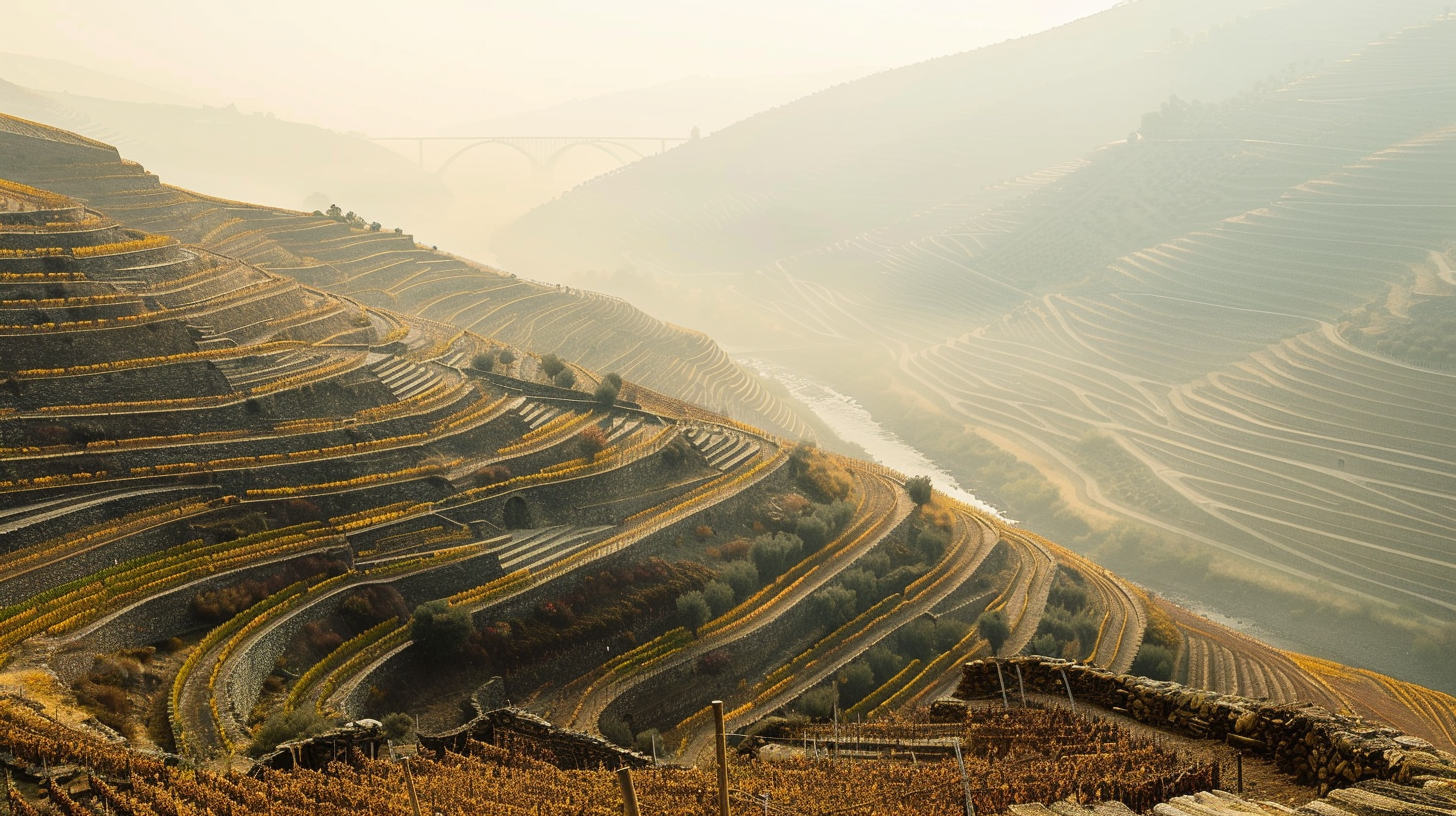
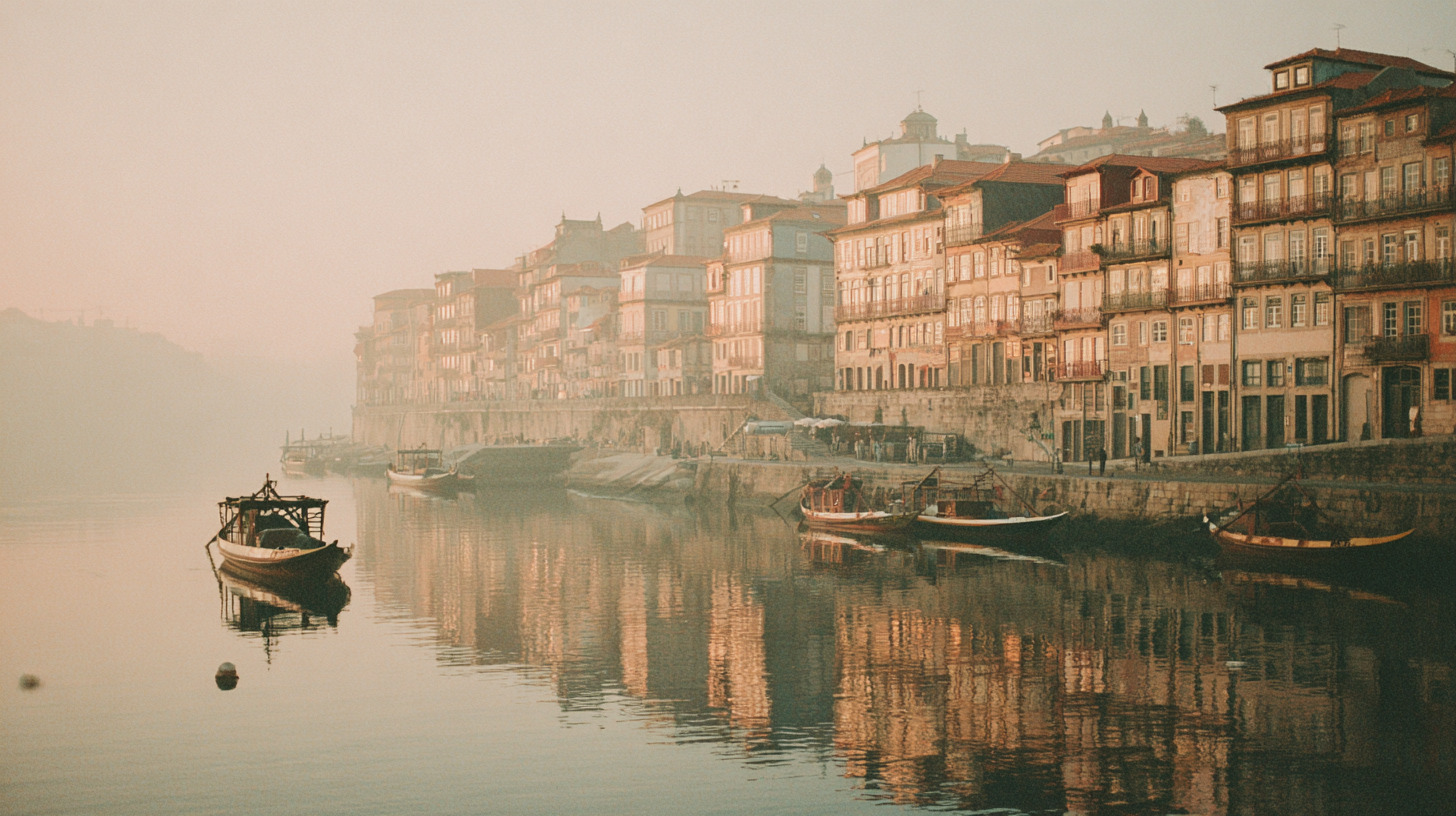
Portugal's food culture — built on grilled fish, roasted meats, and olive oil — makes it one of Europe's most naturally navigable destinations for gluten-free travelers. Porto is where that tradition feels most itself: compact, unhurried, worn beautifully at the edges. The Douro Valley stretches east along the river in terraced vineyards, and the wine that comes from it happens to be gluten-free. We've done the work ahead of your arrival so you can spend your time exactly where you should be — at the table, with a glass of something worth drinking.
Our Porto itinerary moves through the city's historic ribeira, its wine lodges across the river in Vila Nova de Gaia, and into the Douro Valley for days that belong entirely to the landscape. Every stop researched and verified before you leave home.
This Journey Coming in Spring 2027
Gluten Free Travel in Portugal
Portugal's cuisine lends itself naturally to gluten-free dining in ways that few European countries can match. The foundation of the table here is simple and honest: bacalhau prepared dozens of ways, freshly grilled sardines, caldo verde (verify thickeners), arroz de marisco, and roasted meats seasoned with garlic and olive oil. Awareness of celiac disease has grown steadily in Lisbon and Porto, and dedicated gluten-free options at bakeries and cafés have expanded meaningfully in recent years.
The challenge in Portugal is not the main course — it's the bread culture. Portuguese meals begin with bread and butter, often brought to the table automatically. The tradition of petiscos (Portugal's answer to tapas) can require careful navigation, and some traditional preparations — particularly soups and stews — use flour-based thickeners that aren't always disclosed. The pastéis de nata situation is worth addressing directly: most traditional custard tarts contain gluten. A small number of dedicated GF versions now exist in Lisbon, and Parea will point you to them.
Every dining recommendation in this itinerary has been curated with celiac safety in mind. Parea handles the research so you can focus on the adventure.
Key considerations for gluten-free travelers:
APC (Associação Portuguesa de Celíacos) provides resources and listings for celiac travelers in Portugal. Parea cross-references APC recommendations where relevant.
Grilled fish, bacalhau, arroz dishes, caldo verde, and roasted meats are the backbone of Portuguese cuisine and are largely naturally gluten-free — always confirm stocks, thickeners, and marinades.
Bread arrives automatically at most restaurants. It is not included in the meal price and can be declined — saying "Não obrigado, sou celíaco" will stop it from coming.
Pastéis de nata are NOT gluten-free. A small number of GF versions exist in Lisbon — Parea will guide you to the right ones.
Petiscos (Portuguese small plates) can mirror the complexity of tapas — some preparations use breadcrumbs or flour-based coatings. Ask specifically.
A Portuguese-language celiac dining card is strongly recommended, particularly in neighborhoods outside the city center where English fluency is less consistent.