How we learned to travel boldly
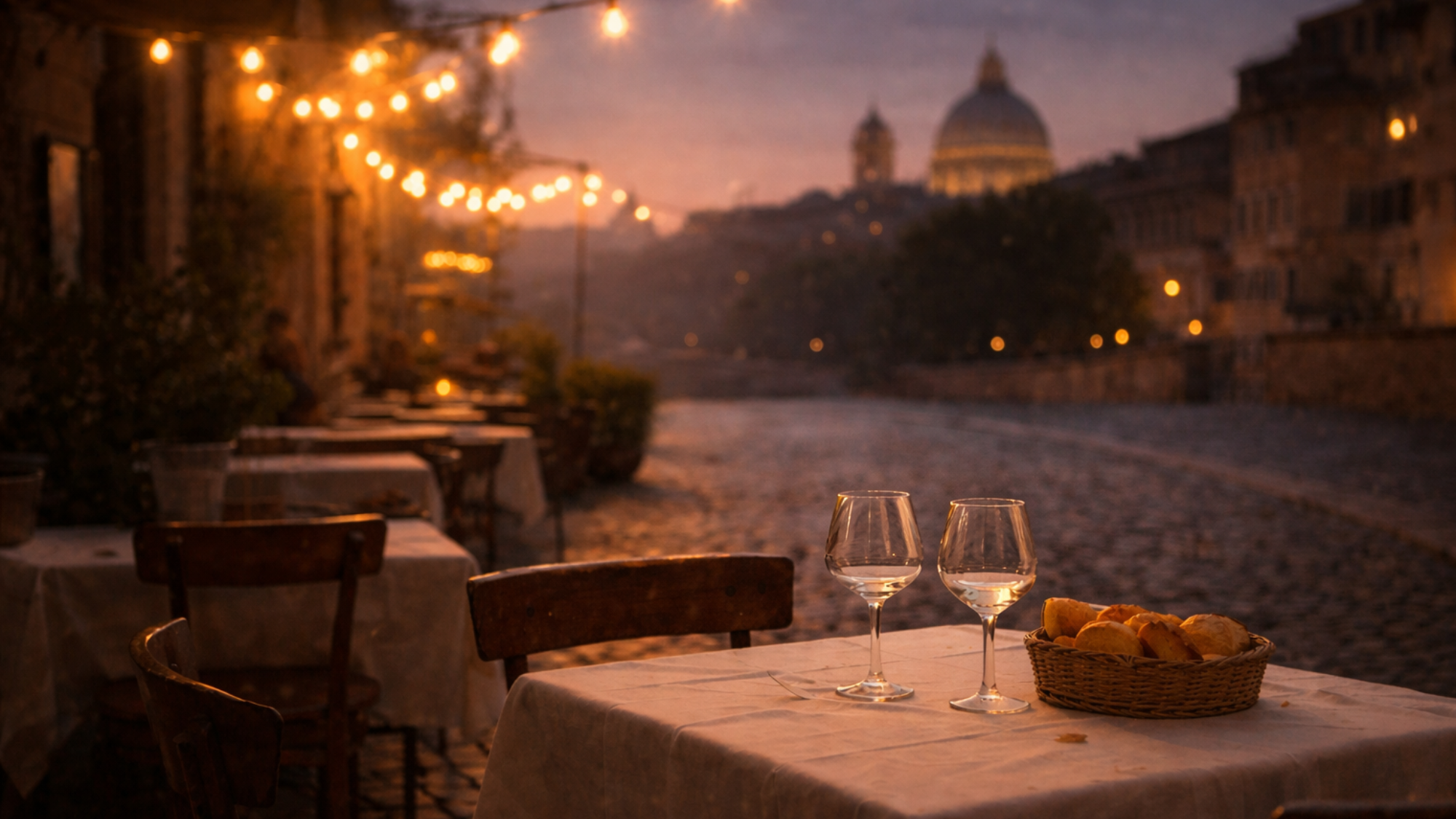
The breadbasket arrived before we had said a word.
It was late afternoon in a small piazza in Rome, the kind of light that turns stone buildings amber and makes everything feel unhurried. Espresso lingered in the air. Somewhere nearby, silverware touched porcelain. It was exactly the moment people imagine when they picture Italy — effortless, suspended, entirely itself.
And then the basket was on the table, linen folded around flour-dusted rolls, and I felt the familiar shift.
I glanced at my partner — the quiet check-in we've practiced for years without naming it. I'm not the one with celiac disease. He is. But when you travel together long enough, awareness stops belonging to just one person. You learn to read the room before the menu. You notice hesitation in a server's answer before he does. You understand that no problemsometimes requires a second question.
In the early years, travel felt like something to be managed rather than experienced.
We over-researched. We saved translation phrases in multiple apps, packed safe snacks into every bag, emailed restaurants days in advance. We arrived at meals already tired from the preparation. And still, something like the breadbasket would appear — an unremarkable gesture from a well-meaning waiter — and the calculation would start again beneath the surface of an otherwise beautiful evening.
That evening in Rome, he spoke calmly across the table: Sono celiaco. È molto importante. The waiter nodded, lifted the basket without ceremony, and returned a few minutes later with sealed gluten-free bread. Nothing about the piazza changed. The light was the same. The espresso smell was the same. But something in the air settled.
That settling — that particular release of tension — is what we've spent years learning to build in advance rather than wait for.
Traveling boldly, for us, has never meant traveling carelessly.
It means arriving with enough structure that the lived moment can unfold without something humming underneath it. Before a trip, we research how each destination approaches gluten-free dining — not just whether it's possible, but how the system works and where the gaps are. We prioritize restaurants that understand cross-contact, not just gluten-free ingredients. We learn the phrases that matter in the local language. We choose accommodations that offer control over at least one meal a day. We keep backup options noted, not because we expect to need them, but because having them means we don't have to think about them.
This isn't anxiety organized into a checklist. It's the opposite — it's what makes anxiety unnecessary.
With that foundation in place, we've shared meals that felt genuinely uncomplicated. Handmade gluten-free pasta in Rome, ordered without rehearsal. Patatas bravas in Barcelona from a kitchen that confirmed the fryer without being asked twice. A café in Amsterdam where the server returned from the kitchen with specific answers before we'd finished the question. Those moments exist because of the preparation that preceded them, not in spite of it.
We've also left restaurants calmly, without resentment, when something didn't feel right. Declined dishes that seemed uncertain. Pivoted to a backup without making the evening about the pivot. That ease, too, is something that gets built over time.
Traveling as the partner of someone with celiac disease teaches you that safety is a shared practice.
It isn't only about what he eats. It's about how we plan together, how we communicate at the table, how we adjust when something changes. The weight was never the restriction itself. It was the mental load — the quiet, constant calculation in unfamiliar environments, the vigilance that doesn't switch off just because the setting is beautiful.
But that load lightens when preparation becomes habit. When asking direct questions feels like a normal part of ordering rather than an imposition. When a boundary around health stops feeling like an apology and starts feeling like clarity.
Celiac disease requires structure. Travel requires openness. They are not opposing forces. Structure is what creates the container that makes openness possible — the reason a breadbasket can arrive unannounced and the evening can continue without losing anything.
The world stays wide that way. The piazza stays golden. The moment stays what it was always meant to be.
The Takeaway
Traveling boldly with celiac disease is built on preparation, not impulse — research how each destination handles gluten-free dining before you arrive, not after.
Prioritize restaurants that understand cross-contact protocols, not just gluten-free ingredients; the distinction between the two is where most risk lives.
Learn key phrases in the local language before you travel — a calm, clear statement of celiac disease in the local tongue changes the tenor of the conversation.
Choose accommodations that offer control over at least one meal a day, and keep backup restaurant options noted so they don't have to be researched under pressure.
Safety in travel with celiac disease is collaborative — when the people you travel with share the awareness, the mental load becomes distributed rather than solitary.
Structure doesn't shrink the travel experience. It's what makes full participation in it possible.