Gluten-Free Spain Tapas Guide
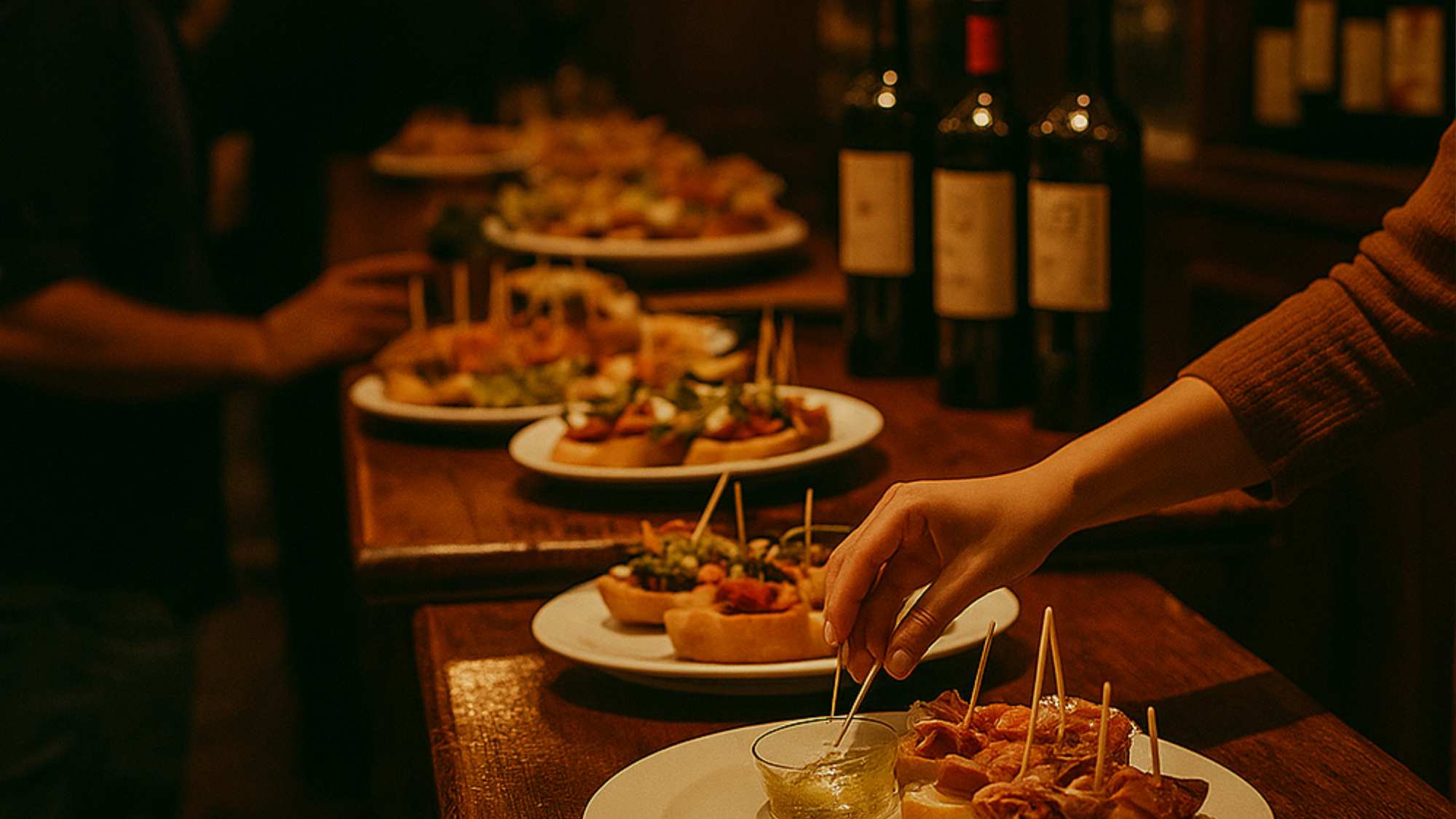
Tapas are designed to feel spontaneous. You stand at the bar, point at what looks good, share plates across a crowded table, and linger longer than you planned. It's one of the most enjoyable ways to eat anywhere in the world — and if you're traveling with celiac disease, it can also feel like the kind of situation that requires more navigation than you'd like. The good news is that with a few specific questions asked before you order, tapas becomes not just manageable but genuinely joyful.
How Spain Handles Gluten-Free
Spain has meaningful celiac advocacy through the Federación de Asociaciones de Celíacos de España (FACE), and awareness is considerably higher here than in many countries. Allergen labeling on menus is common, the word celíaco is widely understood as a medical term, and gluten-free bread is offered in many restaurants without much prompting. That's a solid foundation. What requires attention is the informal, fast-moving nature of tapas culture itself — small kitchens, shared fryers, sauces with hidden flour, and an overall pace that doesn't naturally slow down for careful questions. Spain will work with you, but it rewards travelers who ask clearly rather than those who assume.
What to Say
Keep it direct and specific: Soy celíaca / soy celíaco. No puedo comer gluten ni contaminación cruzada. — "I have celiac disease. I cannot eat gluten or cross-contact." For fried dishes, follow up with: ¿La freidora es solo para comida sin gluten? — "Is the fryer only for gluten-free food?" Spanish staff tend to be straightforward in their answers. If something isn't safe, they'll often tell you plainly. A clear question is usually met with a clear response, which makes the conversation easier than you might expect.
What to Order Without Much Negotiation
Several classic tapas dishes are naturally gluten-free and require only a basic confirmation that preparation hasn't introduced cross-contact. Jamón ibérico and queso manchego need no explanation. Olives, pimientos de padrón, and gambas a la plancha are reliable anchors for any table. Tortilla española — the thick egg and potato omelette — is typically safe, though worth a quick confirmation that no flour has been added. Pulpo a la gallega, the Galician octopus dish, is another strong option in the right regions. These dishes let you participate fully in the rhythm of a tapas meal without relying on substitutions or special requests.
Where to Ask More Carefully
Some dishes that look straightforward require a follow-up question. Patatas bravas — perhaps the most ubiquitous tapa in Spain — depend entirely on whether the fryer is dedicated. Calamares fritos require both a batter confirmation and a fryer confirmation. Croquetas almost always contain wheat unless specifically labeled gluten-free, and should be assumed off-limits without clear verification. Meatballs frequently include breadcrumbs. Sauces are worth asking about across the board — flour and soy sauce both appear in places you wouldn't necessarily expect them.
Spain loves frying, and fryer clarity is the single most important question you'll ask in most tapas settings. A dedicated fryer changes what's available to you significantly; a shared one removes fried dishes from the table regardless of what they're made of.
Tapas Bars vs. Sit-Down Restaurants
Busy tapas bars present a specific set of challenges. Kitchens are small, fryers are typically shared, and flour can be airborne in active prep environments. Cross-contact risk is higher simply because the space doesn't allow for the kind of separation that a larger kitchen can manage. When a bar feels chaotic or the kitchen is clearly operating at speed, the practical move is to stick to naturally gluten-free items — jamón, cheese, olives, grilled proteins — and save anything that requires more nuanced preparation for a sit-down restaurant with clearer allergen labeling. Larger, modern restaurants in urban centers are generally more straightforward to navigate and more accustomed to the conversation.
The Paella Question
Paella is often gluten-free, but not automatically. The broth matters — ask whether it's made from scratch or from a stock that may contain gluten. Ask whether the dish is cooked in a shared pan. Seafood paella is typically the safer choice over mixed versions that may include processed meats. In Valencia and along the coast, where rice-based cuisine is taken seriously and kitchens tend to be knowledgeable, paella is often a confident order. Elsewhere, it's worth the extra question.
By Region
Urban centers are generally stronger than rural towns for gluten-free navigation. Barcelona has high allergen awareness and many clearly labeled menus. Madrid has a growing number of dedicated gluten-free options. Valencia's rice-based culinary tradition makes it naturally accommodating. San Sebastián has an exceptional food culture overall, though its pintxos-heavy bar scene requires careful navigation — much of what's on the counter involves bread. Confirm carefully there and lean toward sit-down restaurants for your main meals.
Building a Tapas Table That Works
The goal of a tapas meal isn't to order everything — it's to build a table that feels full and unhurried. A grilled protein, a vegetable dish, cheese and jamón, and one confirmed fried item if the fryer is dedicated gives you a genuinely abundant spread without unnecessary risk. Bread will often appear automatically; decline it clearly and move on. The meal is not diminished by its absence.
When the right questions have been asked and the answers have been specific, tapas becomes exactly what it's meant to be: relaxed, communal, and generous. Spain rewards confident communication, and travelers who move through it with clarity tend to find that the experience opens up more than they expected.
The Takeaway
Spain has strong celiac advocacy through FACE and widespread allergen awareness — celíaco is understood as a medical term, not a dietary preference.
Clear, direct communication is essential: state your celiac diagnosis and ask specifically about cross-contact before ordering.
Naturally gluten-free tapas — jamón ibérico, manchego, olives, grilled prawns, pimientos de padrón — allow full participation in the meal without relying on substitutions.
Fryer confirmation is the most important question in any tapas setting; shared fryers are common and eliminate fried dishes regardless of ingredients.
Croquetas should be assumed off-limits unless explicitly labeled gluten-free; meatballs, fried calamari, and sauces all require a follow-up question.
Busy tapas bars carry higher cross-contact risk due to small kitchens and shared equipment — stick to naturally gluten-free items or move to a sit-down restaurant.
Paella is often safe but not automatically — confirm the broth, the pan, and whether processed meats are included; seafood versions are typically the safer choice.
Barcelona, Madrid, and Valencia are the most reliably navigable cities; San Sebastián's pintxos culture requires extra care.
A well-built tapas table — grilled protein, a vegetable dish, cheese, jamón, one confirmed fried item — gives you a full, unhurried meal without unnecessary risk.