Celiac-Safe Paella: What to Confirm
Here's the paella piece rewritten in Wanderwell's narrative style:
Celiac-Safe Paella: What to Confirm Before You Order
There is a moment, somewhere along the Spanish coast, when a pan of paella arrives at the table and the whole meal reorganizes itself around it.
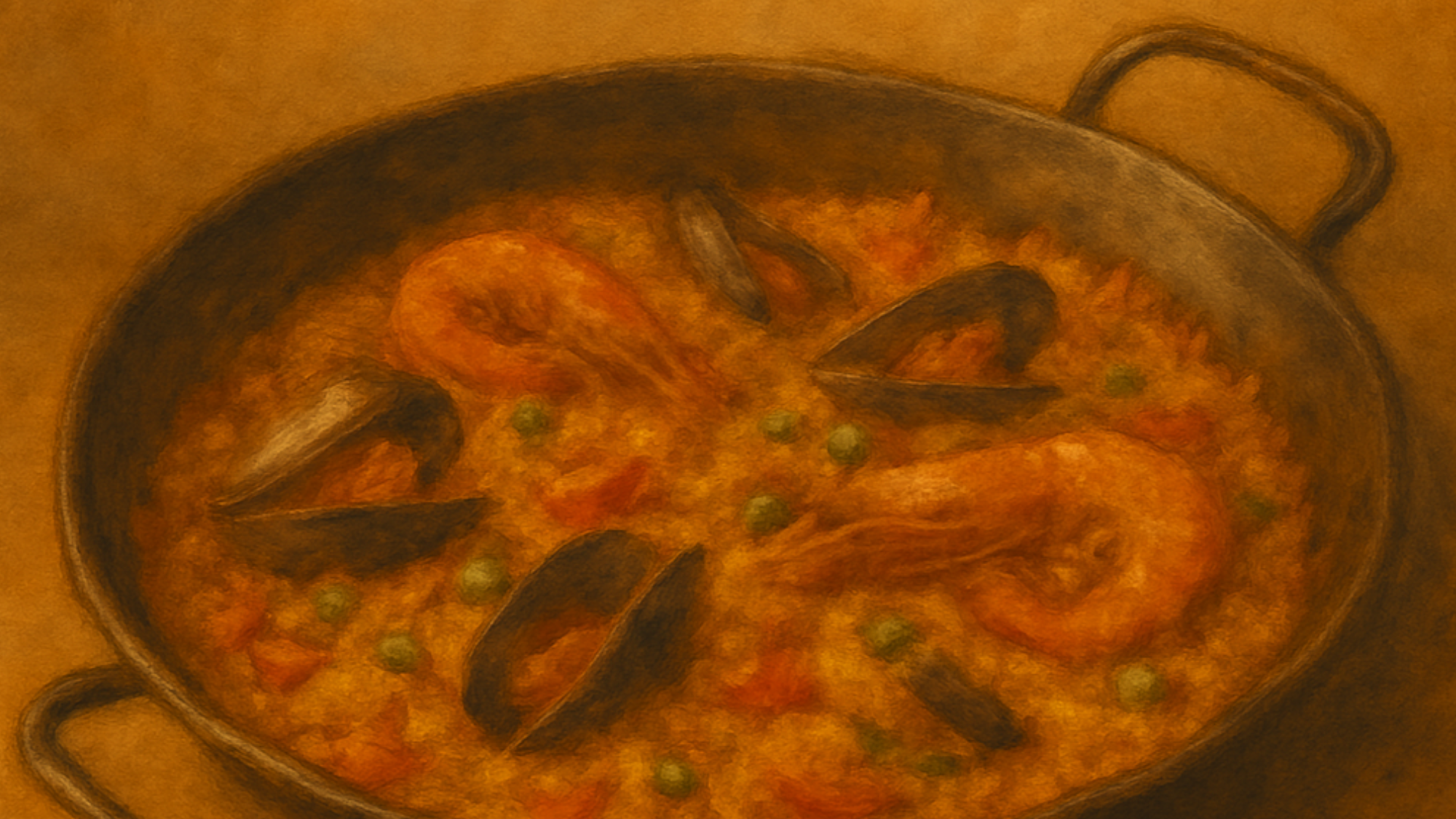
The rice is the color of saffron and char. The shells still hold their shape. The smell is olive oil and sea and something smoky from the fire underneath. Someone pours more wine. The conversation slows. This is the dish that was always the point.
For a celiac traveler, that moment can carry a quiet undercurrent of uncertainty — because paella, for all its apparent simplicity, is not automatic.
On the surface, traditional paella is one of the most naturally gluten-free dishes in European cooking. Rice, seafood or meat, saffron, olive oil, stock, vegetables. No flour. No pasta. No obvious place for wheat to enter. In Valencia, where the dish originates, preparation tends to be ingredient-focused and traditional — the kind of cooking that doesn't need additives because the ingredients speak for themselves.
But kitchens vary. And a few specific details can change what looks like the safest dish on the table into something worth questioning.
The broth is the first and most important confirmation. Most Spanish kitchens make their own stock, and most of it is safe. But commercial bouillon cubes and pre-made broths — particularly in busier tourist-facing restaurants — can contain additives, thickeners, or fillers that introduce gluten quietly. The question is direct: ¿El caldo es sin gluten? A kitchen that knows its ingredients will answer without hesitation. A kitchen that doesn't know what's in its broth has already told you something useful.
The second question is about preparation. A traditional paella is made fresh in a wide, shallow pan — one dish, one service. In high-volume restaurants, particularly in areas with heavy tourist traffic, large pans may be partially prepared earlier and portioned through the day. You want to know whether your serving is coming from a pan that held anything else, and whether that pan has been used for wheat-containing dishes. It's a reasonable question, and in a restaurant that takes allergens seriously, it will be treated as one.
Cross-contact in the kitchen is the third thread. Even when paella itself contains nothing harmful, shared utensils, flour-dusted prep surfaces, or the proximity of bread handling can introduce risk. Soy celíaca/o. ¿Se puede preparar sin contaminación cruzada? — said calmly, without apology — should produce a specific answer. Listen for the specifics: a separate pan, a clean surface, an understanding of why the question matters. Reassurance without detail is not the same as protocol.
When choosing between versions of the dish, seafood paella tends to be the simpler and safer choice. Mixed paella can include processed sausages or marinated meats whose preparation and fillers are harder to confirm quickly. Seafood versions are typically more transparent — fewer ingredients, less processing, a cleaner line from the pan to the plate.
Regional context shapes the experience too. In Valencia and along the quieter coastal stretches, paella is often prepared with the kind of care that comes from genuine culinary tradition. In heavily touristed areas — certain neighborhoods in Barcelona, crowded beachside strips — shortcuts are more common and the questions become more important. Your approach doesn't change, but your attentiveness should.
If a server cannot confirm what's in the broth, seems uncertain about cross-contact, or offers the particular kind of reassurance that amounts to it should be fine — that's the moment to choose somewhere else. Spain is generous with its options. Another restaurant is rarely far.
When paella is confirmed safe, it becomes something else entirely. Not a negotiated substitution. Not a modified version of the real thing. The real thing — shared from the pan at the center of the table, abundant and communal, the kind of meal that makes a place feel fully inhabited rather than just visited.
That's what the questions are for. Not to complicate the meal, but to make it possible.
The Takeaway
Ask specifically whether the broth is gluten-free — commercial stocks and bouillon cubes can introduce gluten even in otherwise safe dishes.
Confirm whether your paella is prepared fresh or portioned from a larger pan that may have held other ingredients.
Ask about cross-contact directly: separate pan, clean utensils, no flour-dusted surfaces nearby.
Seafood paella tends to be simpler and easier to confirm than mixed versions containing processed meats.
In high-tourism areas, apply more scrutiny — traditional coastal and Valencian kitchens are generally more ingredient-focused.
A confident, specific answer from kitchen staff matters more than general reassurance. If the details aren't there, move on.